
Can I Fix My Hiatal Hernia on My Own?
Dealing with the discomfort of a hiatal hernia often leads to a pressing question: can you manage it without medical intervention? Many people wonder if there are ways to find relief at home. While certain lifestyle adjustments can help manage symptoms, understanding the condition and knowing when to seek professional medical advice is crucial. This blog will explore what a hiatal hernia is, whether it can resolve on its own, and what steps you can take to manage your symptoms.
What Is a Hiatal Hernia?
A hiatal hernia occurs when the upper part of your stomach bulges up through the diaphragm, the large muscle separating your abdomen and chest. Your diaphragm has a small opening called the hiatus, which your esophagus passes through before connecting to your stomach. When this opening weakens or stretches, the stomach can push upward into the chest cavity.
Many small hiatal hernias don’t cause any problems, and you might not even know you have one. However, larger hiatal hernias can allow food and stomach acid to back up into your esophagus, leading to symptoms like heartburn, acid reflux, difficulty swallowing, and chest pain.
Can a Hiatal Hernia Heal on Its Own?
One of the most common questions people ask is, “Can a hiatal hernia heal on its own?” The straightforward answer is that a hiatal hernia is a physical abnormality, and it typically does not go away without some form of intervention. Unlike a muscle strain that heals over time, the hernia itself, the protrusion of the stomach through the diaphragm, is a structural issue that remains unless corrected.
So, can a hiatal hernia resolve on its own? It’s highly unlikely for the hernia to physically correct itself. However, many people can live symptom-free with a hiatal hernia. The symptoms, rather than the hernia itself, are what can often be managed or resolved through lifestyle changes. For those wondering, “How I cured my hiatal hernia,” the story is usually one of successful symptom management, not the spontaneous disappearance of the hernia.
Recognizing the signs and symptoms early on is important for monitoring your condition and gauging if your hernia is mild or requires more attention. A better understanding of how a hiatal hernia feels and the specific ways it manifests will help distinguish between common discomfort and symptoms that might signal a need for intervention. Additionally, the size of a hiatal hernia can play a crucial role in whether medical treatment becomes necessary, as larger hernias or persistent, worsening symptoms could indicate that surgery might be required. Learning about the progression, signs, symptoms, and thresholds for intervention helps guide whether you can manage at home or if medical support is needed.
How to Fix a Hiatal Hernia Yourself: Managing Symptoms at Home

While you can’t truly “fix” the hernia yourself, you can take significant steps to manage and reduce your symptoms. Learning how to fix a hiatal hernia yourself comes down to managing acid reflux and discomfort, and paying attention to the variations in symptoms can be helpful, as described in resources that cover what a hiatal hernia feels like and the signs and symptoms of a hiatal hernia. These methods focus on preventing the stomach from producing excess acid and stopping that acid from traveling up the esophagus.
Here are some effective strategies you can try at home:
Dietary Adjustments
Your diet plays a massive role in managing hiatal hernia symptoms. Certain foods can trigger heartburn and acid reflux. Consider making these changes:
- Avoid Trigger Foods: Common culprits include spicy foods, citrus fruits, tomatoes, fatty or fried foods, chocolate, mint, and carbonated beverages.
- Eat Smaller, More Frequent Meals: Large meals can put pressure on your stomach and the lower esophageal sphincter (LES), making it easier for acid to splash back.
- Don’t Lie Down After Eating: Wait at least two to three hours after a meal before lying down or going to bed. Gravity helps keep stomach acid where it belongs.
Lifestyle and Exercise
Certain exercises and daily habits can either help or worsen your symptoms. As you make these changes, keep in mind that not only symptom patterns but also the size of a hiatal hernia may influence what kinds of management are effective, and when intervention may be necessary, topics often discussed when considering at what size a hiatal hernia requires surgery.
- Maintain a Healthy Weight: Excess weight, particularly around the abdomen, increases pressure on your stomach and can worsen hernia symptoms.
- Gentle Core Exercises: Strengthening your diaphragm muscles can be beneficial. Deep breathing exercises, like diaphragmatic breathing, may help. However, avoid exercises that strain your abdomen, such as heavy lifting or crunches, as these can increase pressure and worsen the hernia.
- Elevate Your Bed: Raising the head of your bed by six to eight inches can help prevent stomach acid from flowing back into your esophagus while you sleep.
The Warm Water Method
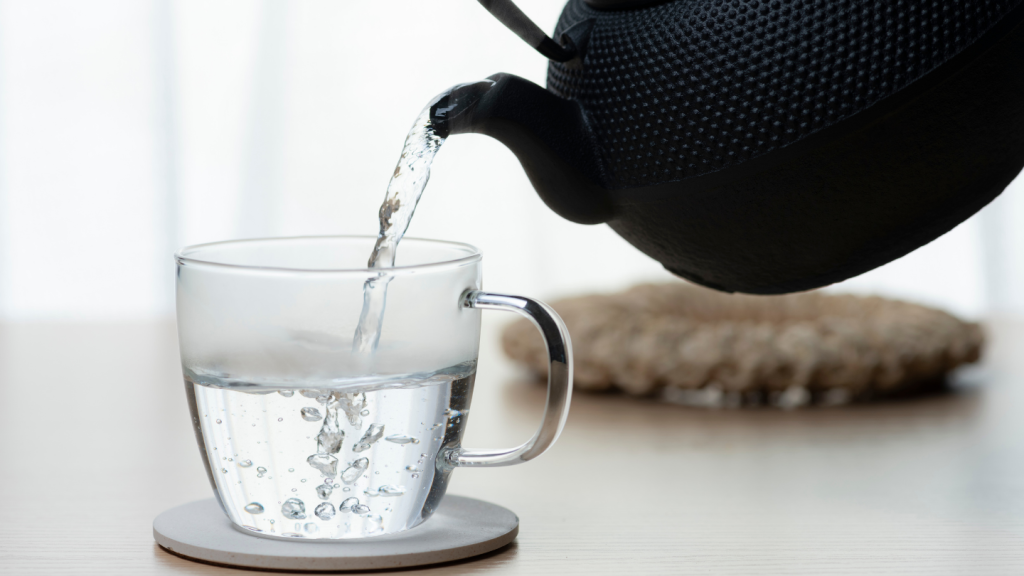
Some people find temporary relief using a specific technique known as the warm water method. The idea is to help relax the diaphragm and allow the stomach to move back into its proper position. To try this, you drink a glass of warm water first thing in the morning and then perform a series of gentle movements, like standing on your toes and dropping down onto your heels. While there’s anecdotal support for this method, it’s not a scientifically proven cure. It is one approach people explore when learning more about how to fix hiatal hernia at home and understanding the range of natural options available.
Home remedies and lifestyle changes are often effective for managing mild symptoms. However, it’s essential to know when your condition requires a doctor’s attention. You should consult a healthcare provider if:
- Your symptoms are severe or persistent.
- Over-the-counter medications are no longer providing relief.
- You experience intense chest pain, which could signal a serious complication or another medical issue.
- You have difficulty swallowing or feel like food is getting stuck.
- You experience nausea, vomiting, or an inability to pass gas or have a bowel movement, as these could be signs of a strangulated hernia, which is a medical emergency.
A doctor may recommend prescription medications to reduce stomach acid or, in more severe cases, surgical repair. Surgery is typically reserved for when other treatments fail or if complications arise. The procedure involves pulling the stomach back into the abdomen and tightening the opening in the diaphragm.
Final Thoughts
While you cannot make a hiatal hernia physically disappear on your own, you have significant power to manage its symptoms through diet, exercise, and other lifestyle adjustments. Many people successfully control their discomfort by avoiding trigger foods, maintaining a healthy weight, and being mindful of their daily habits. Understanding how to manage your symptoms is key to living comfortably with the condition.
However, if your symptoms persist or worsen despite your best efforts, it’s time to seek professional medical guidance. A specialist can provide a proper diagnosis and create a treatment plan tailored to your needs. If you are exploring more definitive solutions for hernia repair in Baltimore, the expert team at Ascension Saint Agnes Bariatric Surgery is here to help. Visit us to learn more about your options and schedule a consultation.
Frequently Asked Questions
Can a hiatal hernia heal on its own without surgery?
A hiatal hernia itself is a physical issue that is unlikely to heal or resolve on its own. However, the symptoms associated with it, such as acid reflux and heartburn, can often be managed effectively through lifestyle and dietary changes, making it feel as though the condition has improved.
How can I fix a hiatal hernia yourself with exercise?
You cannot “fix” a hiatal hernia with exercise, but certain activities can help manage symptoms. Gentle exercises like walking, swimming, and yoga can aid in weight management, which reduces pressure on the abdomen. Deep breathing exercises may help strengthen the diaphragm. It’s crucial to avoid high-impact exercises or heavy lifting that can strain the abdomen and worsen symptoms.
What is the fastest way to get relief from a hiatal hernia?
For quick relief from symptoms like heartburn, over-the-counter antacids can be effective. In the long term, the fastest way to manage symptoms is to identify and avoid your personal trigger foods, eat smaller meals, and avoid lying down for at least three hours after eating.
Can a hiatal hernia resolve on its own over time?
It is very rare for a hiatal hernia to resolve on its own. The weakness in the diaphragm that allows the stomach to push through is a permanent structural change. While symptoms may come and go, the underlying hernia will remain unless surgically repaired.
How I cured my hiatal hernia, is this really possible?
When people claim they “cured” their hiatal hernia, they usually mean they have successfully eliminated their symptoms through natural methods. This is often achieved with strict dietary control, weight loss, and lifestyle adjustments. While the physical hernia may still be present, a symptom-free life is an achievable goal for many.