
What Foods to Eat Before Gallbladder Surgery
Preparing for gallbladder surgery requires thoughtful dietary choices to help reduce symptoms, support digestion, and keep your body in a balanced state before the procedure. Eating the right foods can minimize gallbladder irritation and prevent painful flare-ups. A gentle, low-fat diet also helps your digestive system operate more smoothly. Making these adjustments early can improve comfort and surgical readiness. In this blog, you’ll learn which foods are best to include as you prepare for your procedure.
Key Takeaways
- Follow a low-fat diet 1-2 weeks before your gallbladder surgery to reduce symptoms and optimize surgical outcomes
- Focus on lean proteins like skinless chicken, fish, and plant-based options while avoiding fried and processed foods
- Include high-fiber foods such as oats, bananas, and steamed vegetables to support digestive health
- Stay well-hydrated with water, herbal teas, and clear broths to prepare your body for the procedure
- Work closely with your surgical team to follow personalized dietary guidelines and fasting instructions
Why Your Pre-Surgery Diet Matters
When you’re preparing for gallbladder surgery, what you eat in the weeks leading up to your procedure plays a crucial role in your comfort and surgical success while you’re weighing the benefits of laparoscopic gallbladder surgery. Understanding why your pre-surgery diet matters can help you make informed choices that support both your immediate well-being and long-term recovery.
Your gallbladder plays an essential role in digesting fats by storing and releasing bile into your small intestine. When you consume high-fat foods, your gallbladder contracts strongly to release bile, which helps break down those fats. However, if you have gallstones or gallbladder inflammation, these contractions can cause severe pain and complications. By reducing your fat intake in the weeks prior to surgery, you can minimize these painful episodes and reduce inflammation.
Proper nutrition before gallbladder surgery offers several important benefits. A well-planned pre-surgery diet can significantly reduce nausea, bloating, and digestive discomfort that many patients experience. When you stick to bland foods and avoid greasy foods, your digestive system experiences less stress, which can help you feel more comfortable while waiting for your procedure.
The benefits extend beyond just symptom management. A balanced diet rich in nutrients supports your immune system and helps your body prepare for the healing process. When you eat smaller meals and choose nutrient-dense foods, you’re giving your body the building blocks it needs for optimal recovery.
Best Foods to Eat Before Gallbladder Surgery
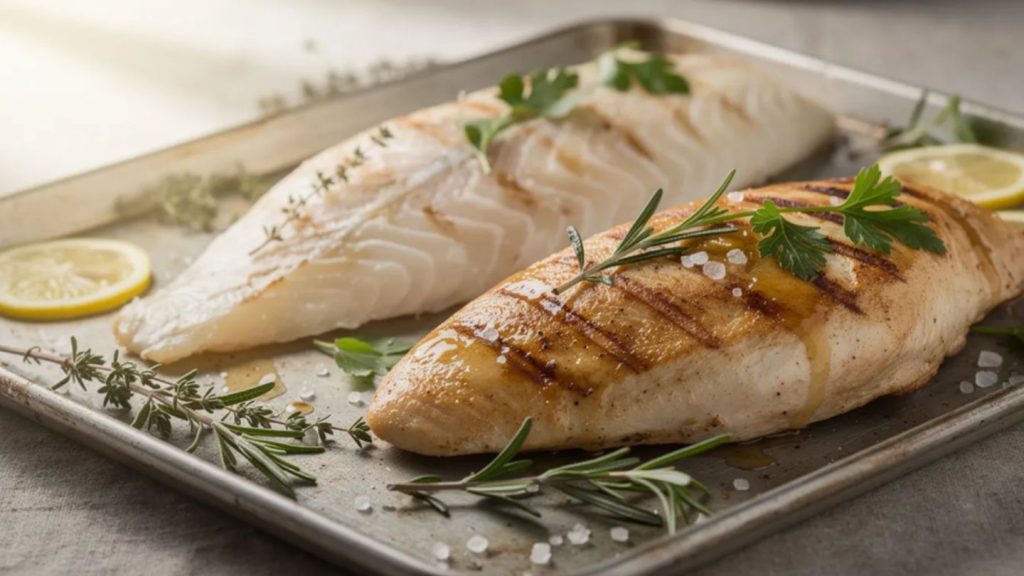
Low-Fat Protein Sources
Choosing the right proteins is fundamental to your pre-surgery nutrition plan and also helps set expectations for what to eat and what to avoid after gallbladder surgery. Your body needs protein to maintain muscle mass and support healing, but you’ll want to select options that won’t trigger gallbladder symptoms.
Skinless chicken breast is an excellent choice because it’s lean and versatile. You can prepare it by baking, grilling, or poaching without adding fats. A typical serving of 3-4 ounces provides high-quality protein while keeping fat content minimal. Similarly, turkey breast offers comparable benefits and can be prepared using the same low-fat cooking methods.
White fish such as cod and tilapia are particularly well-suited for your pre-surgery diet. These fish are naturally low in fat and easy to digest. You can steam them with herbs, bake them with lemon, or poach them in low-sodium broth. Even slightly higher-fat fish like salmon can be included in small portions, as they provide beneficial omega-3 fatty acids.
For those following plant-based diets, tofu, lentils, and chickpeas provide excellent protein alternatives. When preparing tofu, avoid frying and instead try baking or steaming methods. Lentils and chickpeas can be cooked into soups or served as side dishes, but eat smaller portions as they may cause gas in some people.
Egg whites are virtually fat-free and can be scrambled, poached, or made into an omelet with vegetables. If you tolerate whole eggs, limit them to small amounts and avoid frying them in oil or butter.
For optimal digestion, plan to eat smaller meals throughout the day rather than large meals. This approach helps prevent overworking your gallbladder while ensuring you get adequate nutrition.
High-Fiber Foods for Digestive Health
Incorporating high-fiber foods into your pre-surgery diet supports healthy digestion and can help prevent constipation, which is important as your activity level may decrease before surgery.
Bananas are particularly beneficial because they’re easy to digest, provide natural sugars for energy, and contain potassium. They’re also bland enough that most patients tolerate them well, even when experiencing gallbladder symptoms. Apples can be included, but remove the peel as it may be harder to digest for some people.
Pears and blueberries offer additional fiber and antioxidants that support overall health. These fruits are generally well-tolerated and can be eaten fresh or lightly cooked if you prefer softer textures.
For vegetables, steamed broccoli, carrots, green beans, and spinach provide essential nutrients and fiber without being too harsh on your digestive system. Steaming these vegetables makes them easier to digest while preserving their nutritional value. You may experience better tolerance with cooked vegetables compared to raw ones during this time.
Whole grains like oatmeal and brown rice can be included in moderation. Oatmeal is particularly gentle and provides soluble fiber that can help regulate digestion. When preparing oatmeal, use water or low-fat milk alternatives rather than whole milk. Brown rice should be well-cooked and served in smaller portions as part of balanced meals.
The fiber in these foods supports bowel health and helps maintain regular elimination, which becomes especially important as you prepare for surgery and potential pain medications that may cause constipation.
Low-Fat Dairy and Alternatives
Dairy products can be part of your pre-surgery diet when chosen carefully. Skim milk and low-fat dairy options provide important nutrients like calcium and protein while keeping fat content low.
Low-fat yogurt, particularly plain varieties, can be beneficial for your gut health due to its probiotic content. Choose yogurt with live cultures and avoid those with added sugars or high-fat content. Greek yogurt can be included if it’s the low-fat variety, as it provides more protein per serving.
Reduced-fat cheese can be used sparingly, but stick to small amounts and choose varieties with lower fat content. Hard cheeses like part-skim mozzarella or reduced-fat cheddar are better choices than soft, full-fat cheeses.
For non-dairy alternatives, unsweetened almond milk, oat milk, and light coconut milk can replace regular dairy. These alternatives are often lower in fat and can be easier to digest for those with dairy sensitivities.
Calcium-rich foods become particularly important as you prepare for recovery. Your body uses calcium not just for bone health but also for proper muscle function and blood clotting. If you’re avoiding dairy entirely, ensure you’re getting calcium from fortified plant-based alternatives or discussing supplements with your doctor.
Healthy Fats in Small Amounts
While you need to significantly reduce fat intake, your body still requires some healthy fats for essential functions. The key is choosing the right types and controlling portions carefully.
A small amount of olive oil – no more than one teaspoon per day – can be used for light cooking or salad dressing. Olive oil provides monounsaturated fats that are less likely to trigger gallbladder symptoms than saturated fats.
Small portions of avocado can be included occasionally, but limit yourself to about one-quarter of a medium avocado. Avocados provide healthy monounsaturated fats and fiber, but their fat content means they should be consumed sparingly.
A handful of almonds or other nuts can provide healthy fats and protein, but keep portions small – about 10-12 almonds per day. Some people tolerate nuts better than others, so pay attention to how your body responds.
Omega-3-rich options like flaxseeds and chia seeds can be sprinkled on oatmeal or yogurt in small amounts. These provide anti-inflammatory benefits and essential fatty acids your body needs.
Your daily fat intake should stay well below 30 grams, with many surgical teams recommending even lower amounts in the weeks prior to surgery. Track your fat intake carefully and remember that even healthy fats can trigger symptoms if consumed in large quantities.
Hydrating Liquids and Clear Fluids

Staying well-hydrated is crucial as you prepare for gallbladder surgery. Proper hydration supports all your body’s functions and can help reduce the concentration of bile, potentially decreasing discomfort and supporting how long it takes to recover from gallbladder surgery.
Water should be your primary beverage, with a goal of 8-10 glasses daily. Stay hydrated throughout the day by sipping water regularly rather than drinking large amounts at once. This approach is gentler on your digestive system and helps maintain consistent hydration.
Herbal teas can provide comfort and variety while supporting digestive health. Chamomile tea has calming properties and may help reduce inflammation. Peppermint tea can soothe digestive discomfort, while ginger tea may help with nausea. All of these are caffeine-free alternatives that won’t irritate your system.
Clear broths made from low-sodium chicken or vegetable stock can provide flavor and nutrients while staying within dietary guidelines. These can be sipped between meals or used as a base for cooking grains and vegetables.
If you want fruit juices, choose clear options like diluted apple juice or sugar-free cranberry juice. Always dilute fruit juices with water to reduce sugar concentration and potential digestive irritation. Drink plenty of water alongside any juices to maintain a proper hydration balance.
What Not To Eat Before Gallbladder Surgery
Knowing what foods to eliminate from your diet is just as important as knowing what to include. Certain foods can trigger severe gallbladder symptoms and should be completely avoided in the weeks leading up to your procedure.
High-fat foods are the primary culprits that can cause painful gallbladder attacks. Fried foods like French fries, fried chicken, donuts, and anything deep-fried should be eliminated entirely. These foods require significant bile production for digestion, which can trigger intense contractions in your inflamed gallbladder.
Fatty meats, including bacon, sausage, hot dogs, and marbled cuts of beef or pork, are too high in saturated fat for your pre-surgery diet. Even seemingly healthier options like skin-on chicken or fatty fish should be avoided or chosen very carefully. Remove all visible fat from meats and stick to the leanest cuts available.
Butter, cream, full-fat dairy products, and rich sauces can trigger symptoms quickly. Ice cream, whole milk, heavy cream, and full-fat cheeses are particularly problematic. Even small amounts of these foods can cause significant discomfort for gallbladder patients.
Processed foods present multiple problems for your pre-surgery diet. Packaged snacks, fast food, and refined sugars are often high in both unhealthy fats and additives that can irritate your digestive system. These foods also provide little nutritional value when your body needs optimal nutrition for surgery preparation.
Caffeinated drinks, including coffee, energy drinks, and dark sodas, should be avoided. Caffeine can stimulate your digestive system and potentially worsen symptoms. The acids in coffee can also irritate your digestive tract, leading to increased discomfort.
Spicy and acidic foods can exacerbate gallbladder symptoms and should be eliminated from your diet. Hot peppers, spicy curries, citrus fruits, tomatoes, and vinegar-based dressings can all contribute to digestive irritation and discomfort.
Alcohol and carbonated beverages should be completely avoided. Alcohol puts additional stress on your liver and can interfere with your body’s preparation for surgery. Carbonated drinks can cause bloating and gas, adding to your discomfort.
When to Start Your Pre-Surgery Diet
Timing your dietary changes properly is essential for optimal preparation and symptom management. Understanding when to begin each phase of your pre-surgery nutrition plan helps ensure you’re adequately prepared for your procedure.
Begin your modified diet 1-2 weeks before your scheduled surgery date, though some patients may need to start earlier if they’re experiencing frequent symptoms or noticing signs that they need their gallbladder removed. The two-week timeframe allows your gallbladder and liver to respond to the dietary changes while giving you time to adjust to new eating patterns.
Make immediate changes to your diet as soon as you receive your surgery date. Stop eating high-fat and fried foods right away, as these are the most likely triggers for gallbladder attacks. Many patients notice symptom improvement within just a few days of eliminating these problematic foods.
For other dietary adjustments, plan a gradual transition over 3-5 days. This approach helps your digestive system adapt to new foods and eating patterns without shocking your system. Start by replacing high-fat proteins with lean alternatives, then gradually increase fiber intake and adjust portion sizes.
The final 24-48 hours before surgery require special attention to your surgeon’s specific fasting instructions. Most surgical teams will provide detailed guidelines about when to stop eating solid foods and when to begin fasting completely. This typically involves stopping solid foods 8-12 hours before your scheduled procedure time.
During this final period, you may be allowed clear liquids up to a certain time before surgery. Follow these instructions precisely, as they’re designed to ensure your safety during general anesthesia. Taking any food or drink outside the permitted timeframe could result in your surgery being postponed.
Coordinate with your medical team throughout this process for personalized dietary recommendations. Your surgeon or dietitian may have specific modifications based on your individual health status, the complexity of your procedure, or other medical conditions you may have.
Final Thoughts on Pre-Surgery Nutrition
Choosing the right foods before gallbladder surgery plays an essential role in reducing discomfort, stabilizing digestion, and preparing your body for a smoother recovery. A low-fat, gentle diet not only minimizes gallbladder stress but also helps prevent last-minute flare-ups that could delay your procedure. Prioritizing easy-to-digest meals and mindful eating habits supports overall wellness as you approach surgery day.
At Ascension Saint Agnes, our team is committed to guiding patients through safe, effective surgical care, including laparoscopic gallbladder surgery in Baltimore. We help you prepare with the right nutritional habits and give you the resources needed for a successful experience before and after surgery. Understanding related digestive procedures such as laparoscopic refluxhiatal hernia repair, upper endoscopy, laparoscopic primary incisional umbilical hernia repair, and GERD reflux after sleeve gastrectomy can further support your readiness and long-term health goals. Inspired by our comprehensive care approach, we encourage you to take the next step with us. Contact us today to move confidently toward better digestive health.
Frequently Asked Questions
Can I eat nuts before gallbladder surgery?
Yes, but only in small portions. Nuts contain healthy fats but can worsen gallbladder symptoms if eaten in excess. Limit intake to a small handful and avoid them entirely if they trigger discomfort, nausea, or pain before surgery.
Is it safe to drink coffee before my procedure?
Coffee is usually discouraged because caffeine and acids can stimulate digestion and aggravate gallbladder symptoms. Gradually reduce intake to avoid withdrawal headaches, and switch to non-caffeinated beverages. Follow your surgeon’s specific recommendations closely.
What should I do if I accidentally eat something high in fat?
If you develop pain, nausea, or vomiting, contact your medical team—especially if symptoms are severe. For mild symptoms, rest, hydrate, and avoid more food until you feel better. Your surgeon may decide if this impacts your surgery timing.
How long before surgery should I stop eating solid foods?
Most patients must stop solid foods 8–12 hours before surgery. Some clear liquids may be allowed up to a few hours prior, depending on your surgeon’s instructions. Always follow fasting guidelines exactly to avoid procedure delays.
Can I take supplements or vitamins before gallbladder surgery?
Certain supplements, like fish oil, vitamin E, or herbal products, can increase bleeding risk and must be stopped 1–2 weeks before surgery. Review all supplements and medications with your medical team to determine what is safe to continue.