
Diet After Gastric Sleeve Surgery: A Comprehensive Guide
Undergoing bariatric surgery is a significant step toward reclaiming your health. While the procedure itself acts as a powerful tool for weight loss, the fuel you put into your body determines your long-term success. The gastric sleeve procedure reduces the size of your stomach, limiting the amount of food you can eat at one time. However, it does not change your cravings or your relationship with food overnight.
Adapting to a new way of eating is critical for proper healing and avoiding complications. A structured diet helps your staple line heal, prevents stretching of your new stomach pouch, and maximizes fat loss while preserving lean muscle mass. This blog will walk you through the essential stages of nutrition before and after your surgery.
The Pre-Op Diet: Preparing for Success
Before you even enter the operating room, your dietary habits need to shift. The pre-op diet is not just about losing a few extra pounds before the procedure; it serves a crucial medical purpose. The primary goal is to shrink the liver. A heavy, fatty liver can sit on top of the stomach, making the surgery more difficult and dangerous for the surgeon to perform.
By following a strict liver-shrinking diet, you reduce the risk of complications and set the stage for a smoother recovery.
2-3 Weeks Before Surgery
Most surgeons recommend starting a specific diet plan two to three weeks prior to your scheduled date. During this time, the focus shifts to high protein and low carbohydrates. You will typically reduce your intake of fats and eliminate sugar completely.
Foods to focus on:
- Lean proteins (chicken, fish, turkey)
- Non-starchy vegetables (leafy greens, broccoli, peppers)
- Low-fat dairy options
Foods to avoid:
- Sugary drinks and sodas
- Pasta, rice, and bread
- Fried foods and high-fat snacks
2 Days Before Surgery
As the surgery date approaches, your diet becomes more restrictive. Two days before the procedure, you will usually switch to a clear liquid diet. This ensures your stomach is completely empty, reducing the risk of aspiration during anesthesia. Incorporating a preoperative liquid protein diet can help ensure you meet your nutritional needs while keeping your stomach empty.
During this final window, you should focus on staying hydrated with water, broth, and sugar-free gelatin. Avoid anything with red or purple dye, as this can interfere with the surgeon’s view during the operation.
Post-Op Diet Phases: A Step-by-Step Recovery
After surgery, your stomach needs time to heal. You cannot immediately return to solid foods. The post-op diet is broken down into four distinct phases, gradually reintroducing textures as your body recovers.
Phase 1: Clear Liquids (Week 1)
For the first week after surgery, your digestive system is very sensitive. The goal here is simple: hydration. You must sip fluids constantly throughout the day to avoid dehydration, which is the most common reason for hospital readmission after bariatric surgery.
Approved Items:
- Water
- Broth (chicken, beef, or vegetable)
- Sugar-free gelatin
- Decaf tea or coffee
- Sugar-free popsicles
Do not use a straw during this phase or any future phase. Using a straw introduces air into the stomach, which can cause painful gas and bloating.
Phase 2: Pureed Foods (Weeks 2-3)
Once your surgeon clears you, typically around the second week, you can begin introducing pureed foods. The consistency should be similar to baby food or applesauce. Your stomach can handle slightly more substance, but chunks of food can get stuck or cause irritation.
You will likely need to use a blender or food processor for most meals. Prioritize protein to help your incision sites heal.
Approved Items:
- Protein shakes
- Greek yogurt (plain, low-fat)
- Pureed chicken or tuna mixed with low-fat mayo or broth
- Cottage cheese
- Scrambled eggs (soft)
Phase 3: Soft Foods (Weeks 4-5)
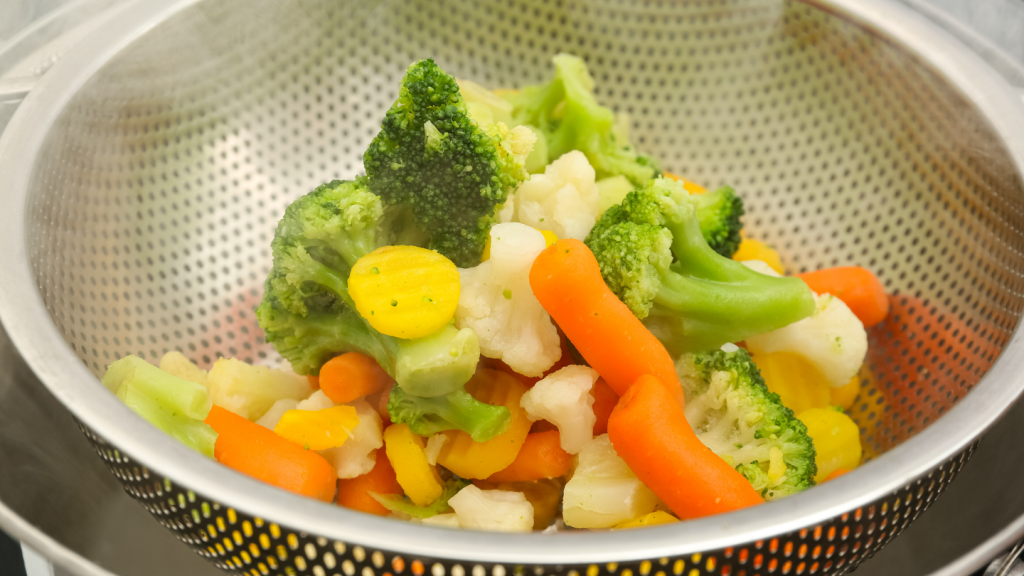
By week four, you can transition to soft, solid foods. You should be able to mash these foods easily with a fork. This phase bridges the gap between liquids and regular textures. It is vital to eat slowly and chew every bite thoroughly—aim for 20 to 30 chews per bite.
Approved Items:
- Soft fish (tilapia, salmon)
- Canned fruit (in water or natural juice, no syrup)
- Cooked vegetables (carrots, squash)
- Ground meat (lean turkey or beef)
Pay attention to your body’s signals. If you feel full, stop eating immediately. One extra bite can lead to nausea or vomiting.
Phase 4: Reintroduction and Stabilization (Week 6 and Beyond)
This phase marks the beginning of your “new normal.” You can slowly reintroduce firmer foods. However, this is not a green light to eat whatever you want. Certain foods may no longer agree with your system, and specific textures, like tough steak or fibrous vegetables (celery, corn), might be difficult to digest.
Introduce new foods one at a time to see how your body reacts. Continue to prioritize protein at every meal, followed by vegetables, and leave carbohydrates for last.
Long-Term Diet Recommendations

Maintaining weight loss after a gastric sleeve requires a permanent lifestyle change. The surgery restricts capacity, but it doesn’t restrict calorie absorption like a gastric bypass might. This means “grazing” or snacking on high-calorie sliders (foods that slide through the stomach easily, like chips or ice cream) can lead to weight regain.
Foods to Avoid Permanently or Limit Strictly:
Understanding which foods to avoid after gastric sleeve surgery is crucial for maintaining your results and preventing discomfort.
- Carbonated Beverages: The bubbles can expand your stomach pouch and cause discomfort.
- Sugary Drinks: These provide empty calories and can trigger “dumping syndrome” in some patients, causing nausea, dizziness, and diarrhea.
- Tough Meats: Dry or tough meat can be hard to digest and may cause blockages.
- Bread and Pasta: These expand in the stomach and offer little nutritional value compared to the space they occupy.
Habits for Success:
- Do not drink while eating. Wait 30 minutes before and after meals to drink fluids. Drinking with meals washes food out of your stomach too quickly, making you hungry sooner.
- Take vitamins daily. Bariatric patients are at risk for vitamin deficiencies. A daily bariatric multivitamin is usually required for life.
- Meal prep. Planning your meals helps you avoid impulsive, unhealthy choices when you are hungry.
These habits play a key role in helping you maintain your progress and adapt to a healthier lifestyle after surgery.
Final Thoughts
Navigating life after gastric sleeve surgery is a journey that requires patience, discipline, and a willingness to learn. The diet phases are designed to protect your health and maximize your results. From the liquid phase to the reintroduction of solids, every step plays a vital role in your recovery.
Remember, you are not alone in this process. Success relies on medical expertise and consistent support. For personalized guidance and comprehensive care throughout your weight loss surgery in Maryland, MD, Ascension Saint Agnes Bariatric Surgery is here to help you achieve your health goals safely and effectively.
Frequently Asked Questions
How much protein do I need daily after gastric sleeve surgery?
Most patients should aim for 60 to 80 grams of protein per day. Protein promotes healing, preserves muscle tissue during rapid weight loss, and keeps you feeling full longer. Always eat your protein first during meals.
Can I ever drink coffee or alcohol again?
Caffeine acts as a diuretic and can irritate the stomach lining, so it is usually restricted for the first month. Alcohol is absorbed much faster after surgery and contains empty calories. Most surgeons recommend avoiding alcohol for at least six months to a year post-op.
What happens if I skip the pre-op diet?
Skipping the pre-op diet can result in a fatty, enlarged liver. If the liver is too large to safely move out of the way during surgery, the surgeon may have to cancel or postpone the procedure for your safety.
Why is my hair falling out after surgery?
Hair loss, or telogen effluvium, is a common side effect of the physical stress of surgery and rapid weight loss. It usually occurs 3 to 6 months post-op. Ensuring you meet your protein and vitamin intake goals can help minimize this temporary condition.
Can I stretch my stomach back to its original size?
While you cannot stretch it back to its original size, the stomach is a muscle and can stretch over time if you consistently overeat. To maintain restriction, stick to small portion sizes and avoid drinking liquids during meals.