
Duodenal Switch vs. Gastric Bypass: What’s the Difference?
If you’re researching weight loss surgery, it’s normal to feel torn between two of the most effective bariatric procedures available: the duodenal switch and gastric bypass. Both surgeries can lead to significant long-term weight loss and improvements in obesity-related conditions, but they work in different ways and come with different benefits, risks, and lifestyle expectations.
Understanding the duodenal switch vs gastric bypass comparison can help you make a confident, informed decision. Below, we’ll break down what each procedure involves, how they differ, and what factors may influence which option is the best fit for your health goals.
Quick Overview: Duodenal Switch Surgery vs Gastric Bypass
When comparing duodenal switch surgery vs gastric bypass, the biggest difference is how much the procedure affects digestion and nutrient absorption.
- Duodenal Switch (DS) combines a restrictive stomach reduction with a significant intestinal bypass, causing both reduced food intake and reduced calorie absorption.
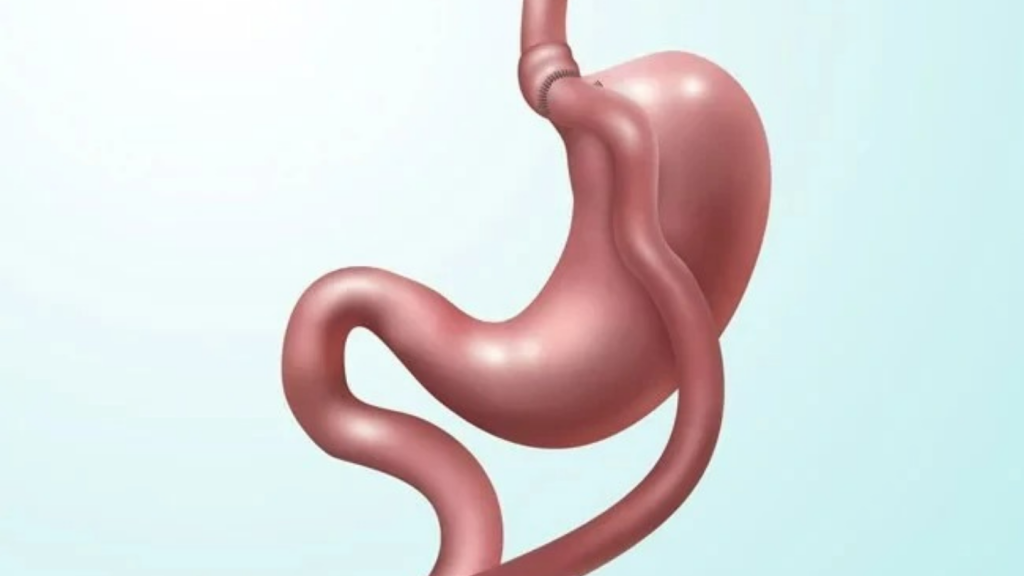
- Gastric Bypass (Roux-en-Y) creates a smaller stomach pouch and reroutes part of the small intestine, limiting food intake and moderately reducing absorption.
This distinction is important because the outcomes, nutritional needs, and long-term follow-up expectations can vary depending on which procedure you choose.
What Is Duodenal Switch Surgery?
Duodenal switch (also called biliopancreatic diversion with duodenal switch) is considered one of the most powerful bariatric procedures for long-term weight loss. It is typically recommended for people with higher BMIs or individuals who need the strongest metabolic effect.
How Duodenal Switch Works
The duodenal switch procedure generally includes two key components:
- Sleeve gastrectomy (restriction):
A portion of the stomach is removed, leaving a smaller, tube-shaped stomach. This limits how much you can eat at one time. - Intestinal rerouting (malabsorption):
A large segment of the small intestine is bypassed so that fewer calories and nutrients are absorbed from the foods you eat.
This combination is one reason the difference between duodenal switch and gastric bypass matters so much: duodenal switch creates a stronger malabsorption component than gastric bypass.
Benefits of Duodenal Switch
Duodenal switch has several advantages, especially for patients who need substantial weight loss:
- Higher average long-term weight loss compared to many other bariatric surgeries
- Powerful metabolic impact, often improving conditions like type 2 diabetes
- Reduced hunger over time due to hormonal changes after surgery
- Often an effective option for individuals with severe obesity
When people search gastric bypass vs duodenal switch, they’re often looking for which procedure leads to the strongest weight loss results, and DS is frequently included in those discussions for that reason.
What Is Gastric Bypass Surgery?
Gastric bypass, or Roux-en-Y gastric bypass, is one of the most commonly performed weight loss surgeries and has decades of research supporting its long-term effectiveness.
How Gastric Bypass Works
Gastric bypass includes two primary steps:
- A small stomach pouch is created:
The surgeon forms a small pouch at the top of the stomach, limiting how much food you can eat in one sitting. - The small intestine is rerouted:
Food bypasses part of the small intestine, meaning fewer calories are absorbed, and hormones that regulate hunger and blood sugar may shift.
Even though gastric bypass does include some malabsorption, it is typically less extreme than the duodenal switch. That’s one key difference between gastric bypass and duodenal switch for many patients.
Read More: FAQ: How Does Roux-en-Y Gastric Bypass Works
Benefits of Gastric Bypass
Gastric bypass offers several well-established benefits:
- Strong long-term weight loss outcomes
- Can provide significant improvement in type 2 diabetes and other metabolic conditions
- May be an effective option for people dealing with acid reflux (GERD)
- Long history of success and a large amount of clinical data supporting results
Because it has such a long track record, many patients feel confident choosing gastric bypass when evaluating duodenal switch vs gastric bypass options.
If you’re trying to picture long-term progress, understanding the expected weight loss after gastric bypass can make the entire journey feel much more realistic and easier to plan for.
Gastric Bypass vs Duodenal Switch: Key Differences That Matter
So, what is the difference between gastric bypass and duodenal switch in real life, not just technically?
Here are the major areas where the procedures differ:
1. Weight Loss Outcomes
In many cases, duodenal switch leads to greater average long-term weight loss, especially for people starting with a higher BMI. Gastric bypass also leads to substantial, lasting weight loss, but the degree can vary depending on lifestyle factors and individual metabolism.
If your top priority is maximum weight loss, that may impact your choice in the duodenal switch surgery vs gastric bypass decision.
2. Impact on Obesity-Related Conditions
Both procedures can improve obesity-related conditions like:
- Type 2 diabetes
- High blood pressure
- Sleep apnea
- High cholesterol
However, duodenal switch often has a stronger metabolic effect due to the greater malabsorption component. That said, gastric bypass is also highly effective for metabolic improvements and is widely recommended for many patients.
3. Nutritional Requirements and Supplementation

This is one of the most important differences when comparing gastric bypass vs duodenal switch.
Both surgeries require vitamins and long-term follow-up, but duodenal switch generally requires:
- More strict supplementation
- More frequent lab monitoring
- Stronger focus on meeting protein goals
- Higher risk of deficiencies if follow-up is inconsistent
Since long-term success depends so much on nutrition, learning the nutritional needs after bariatric surgery can help you better understand why supplements, especially calcium, play such an important role.
If you prefer a procedure with less intense malabsorption and nutritional impact, gastric bypass may be more manageable long term.
4. Lifestyle Changes and Food Tolerance
After surgery, both procedures require major lifestyle changes. Patients usually need to:
- Eat smaller portions
- Prioritize protein intake
- Avoid drinking liquids with meals
- Reduce high-sugar and high-fat foods
- Stay consistent with follow-up and habits
With duodenal switch, some people experience more noticeable digestive changes, which may affect comfort and daily routines.
5. Long-Term Commitment and Follow-Up
No bariatric surgery is “set it and forget it.” Both require long-term commitment. But duodenal switch often demands an even higher level of follow-up care due to nutritional complexity.
This is why understanding the difference between gastric bypass and duodenal switch is essential before choosing.
Duodenal Switch and Gastric Bypass: Which One Is Right for You?
The decision between duodenal switch vs gastric bypass depends on your goals, health conditions, and ability to follow long-term nutrition guidelines.
Duodenal Switch May Be a Better Fit If You:
- Have a higher BMI and need significant weight loss
- Want the strongest metabolic effect possible
- Are prepared for strict supplementation and follow-up care
- Feel confident managing long-term nutritional monitoring
Gastric Bypass May Be a Better Fit If You:
- Want strong, proven weight loss with decades of research behind it
- Need improvement in metabolic conditions but want less malabsorption
- Want a procedure that may be better suited for GERD in certain cases
- Prefer a long-term plan that may feel simpler to maintain
For many patients, choosing the right bariatric surgery becomes much easier once they see how different procedures fit different health needs, lifestyles, and long-term expectations.
The best approach is to discuss your medical history, goals, and lifestyle expectations with a bariatric team that can personalize recommendations.
Final Thoughts
Choosing between duodenal switch vs gastric bypass is a personal decision, and one that should be based on your health goals, medical history, and long-term lifestyle expectations. Both procedures can be life-changing tools when paired with consistent follow-up, healthy nutrition habits, and support from an experienced bariatric team.
If you’re ready to explore your options for Roux-en-Y in Baltimore and find the safest, most effective path forward, Ascension Saint Agnes Bariatric Surgery can help you take the next step in your weight loss journey.
Frequently Asked Questions
Is duodenal switch vs gastric bypass better for weight loss?
Both procedures can produce major weight loss, but the duodenal switch often leads to greater average long-term weight loss, especially for patients with severe obesity.
What is the difference between gastric bypass and duodenal switch?
The main difference is that duodenal switch causes more malabsorption by bypassing a larger portion of the small intestine, which can result in higher weight loss but also higher nutritional monitoring needs.
Does gastric bypass vs duodenal switch affect vitamins and nutrients?
Yes. Both procedures require lifelong vitamins and monitoring, but the duodenal switch has a higher risk of deficiencies and typically requires stricter supplementation.
Which procedure has a faster recovery?
Recovery depends on the individual and surgical approach, but many patients return to normal activities within a few weeks. Your surgeon will provide a timeline based on your health and the exact procedure.
Can you regain weight after duodenal switch surgery vs gastric bypass?
Weight regain is possible after any bariatric surgery if lifestyle and follow-up are not maintained. Long-term success depends heavily on nutrition habits, activity, and ongoing care.