
Anxiety and Acid Reflux: Understanding the Connection
If you’ve ever felt your stomach burn after a stressful day, or noticed reflux symptoms flare up right before an important event, you’re not imagining it. Anxiety and acid reflux are closely connected, and for many people, one issue can trigger or worsen the other.
Acid reflux can feel physically overwhelming, and anxiety can make those symptoms feel even more intense. The good news? Once you understand what’s happening inside your body, you can take steps to break the cycle and feel better.
What Is Acid Reflux?
Acid reflux happens when stomach acid flows backward into the esophagus (the tube connecting your mouth to your stomach). This backflow often causes a burning sensation in the chest or throat, also known as heartburn.
Common acid reflux symptoms include:
- Burning feeling in the chest (heartburn)
- Sour or bitter taste in the mouth
- Regurgitation (food or liquid coming back up)
- Throat irritation or chronic cough
- Feeling like there’s a lump in the throat
- Difficulty swallowing
Overview of GERD
If reflux symptoms happen frequently (typically more than twice a week), it may be diagnosed as GERD (gastroesophageal reflux disease). GERD can become chronic and may require long-term management through lifestyle changes, medication, and, in some cases, medical intervention. Understanding the differences between GERD and acid reflux is essential for managing symptoms effectively and choosing the right treatment approach.
What Is the Link Between Anxiety and Acid Reflux?
The relationship between anxiety and acid reflux is real, and surprisingly common.
So, why does anxiety cause acid reflux in the first place? Anxiety doesn’t just affect your thoughts; it affects your nervous system, hormones, digestion, and even how your muscles work (including the muscles that keep stomach acid where it belongs).
Many people experience acid reflux due to anxiety without realizing that stress is a trigger. Others develop anxiety after reflux symptoms begin, because the discomfort can feel scary or unpredictable.
This is why it’s often described as a two-way connection: anxiety can worsen reflux, and reflux can increase anxiety.
Understanding the Anxiety–Acid Reflux Connection
When anxiety is activated, your body moves into a fight-or-flight state. This triggers a cascade of reactions:
- Breathing becomes faster or shallower
- Muscle tension increases
- Digestion slows or becomes irregular
- Stress hormones increase
Over time, this shift can create a digestive environment where reflux becomes more likely and more severe.
The Link Between Anxiety and Acid Reflux
The connection between anxiety and reflux is often physical, not “all in your head.”
So, What Is GERD Anxiety?
“GERD anxiety” isn’t a formal medical diagnosis, but it’s a term people use to describe:
- Anxiety caused by reflux symptoms
- Anxiety that worsens reflux symptoms
- The fear of eating, sleeping, or leaving home due to reflux flare-ups
It can feel like your body is stuck in a loop: reflux triggers worry, worry triggers reflux, and both feed into each other.
Why Does Acid Reflux Give People Anxiety?
Acid reflux symptoms can be alarming because they sometimes mimic serious health problems. Chest discomfort, pressure, or throat tightness can feel similar to a heart issue, especially during a panic episode.
Also, reflux symptoms can appear suddenly, making people feel like they don’t have control over their bodies. That lack of control is a common anxiety amplifier.
How Anxiety Triggers Acid Reflux: The Science Explained
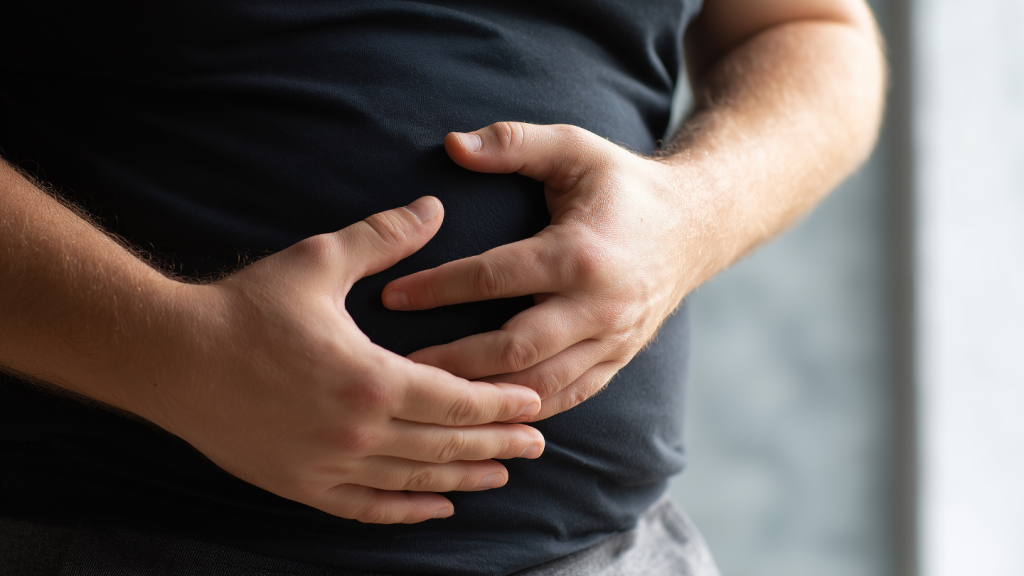
Anxiety affects digestion through the gut-brain axis, which is the communication network between your brain and your gastrointestinal system.
Here are some ways anxiety can lead to acid reflux due to anxiety:
1) Increased Stomach Sensitivity
When you’re anxious, your body becomes more sensitive to normal sensations, including digestive sensations. That means mild reflux may feel intense, painful, or even “dangerous,” even if the acid exposure is moderate.
2) Changes in Digestion and Motility
Stress can slow digestion or alter muscle function in the digestive tract. If the stomach empties more slowly, pressure increases, and that pressure can push acid upward.
3) Tightness in the Chest and Throat
Anxiety causes muscle tension, especially in the upper body. This can intensify feelings of tightness and discomfort, making reflux symptoms feel worse.
4) Breathing Pattern Changes
Anxiety can cause hyperventilation or shallow breathing, which may increase pressure changes in the chest and abdomen, possibly contributing to reflux episodes.
Cortisol and Acid Reflux: What’s Happening in Your Body?
One major player in this relationship is cortisol, often called the “stress hormone.”
When anxiety is chronic or intense, cortisol levels may rise for long periods. This can impact digestion in several ways.
Many people wonder:
- Can high cortisol cause acid reflux?
- Can high cortisol cause heartburn?
For some individuals, the answer can be yes, especially if cortisol-driven changes lead to slower digestion, increased inflammation, altered gut bacteria, or heightened sensitivity.
That’s why you’ll often see terms like:
- cortisol and acid reflux
- cortisol acid reflux
…show up in stress-related digestive discussions.
While cortisol alone may not “cause” GERD in every case, it can absolutely contribute to symptoms, especially when paired with other triggers like diet, overeating, lying down after meals, or smoking. For some individuals, dietary factors like gluten intolerance may also play a role in exacerbating symptoms, highlighting the connection between gluten intolerance and acid reflux.
Differences Between the Symptoms (Anxiety vs. Acid Reflux)
Anxiety and reflux can feel similar in the body, which creates confusion. While symptoms can overlap, there are patterns that may help.
Acid reflux often causes:
- Burning chest sensation after eating
- Sour taste or regurgitation
- Symptoms that worsen when lying down
- Relief with antacids (in many cases)
Anxiety often causes:
- Rapid heartbeat
- Sweating or shaking
- A “rising panic” feeling
- Symptoms that appear during stress, even without food triggers
Because they overlap, many people experience both at the same time, and that’s why identifying triggers is so helpful.
Recognizing When Anxiety Affects Your Digestion

If your reflux flares up during stressful events, even when your diet hasn’t changed, it may be acid reflux due to anxiety.
Some signs of anxiety may be a key trigger:
- Reflux symptoms appear before meetings, presentations, or social situations
- Symptoms improve when you feel calmer
- You feel “wired,” tense, or restless alongside digestive discomfort
- Symptoms are worse during high-stress weeks, even with the same meals
The Bidirectional Relationship: A Vicious Cycle
This is one of the most important ideas to understand: anxiety and acid reflux often create a cycle.
- Anxiety triggers reflux symptoms
- Reflux symptoms feel alarming and uncomfortable
- That discomfort increases anxiety
- Increased anxiety worsens reflux again
Breaking that cycle usually requires addressing both sides, not just the reflux or just the anxiety.
Managing Anxiety-Related Acid Reflux Effectively
The most effective approach is often a combination of physical and mental strategies.
Lifestyle Strategies That Help Both Anxiety and Acid Reflux
- Eat smaller meals (large meals increase stomach pressure)
- Avoid lying down for 2–3 hours after eating
- Limit trigger foods (spicy, acidic, fatty, fried foods)
- Reduce caffeine and carbonated drinks
- Elevate your head slightly while sleeping
- Stay hydrated (but avoid large gulps during meals)
Simple adjustments, like elevating your head while sleeping, are among the proven strategies for nighttime heartburn relief that can make a significant difference.
Stress and Anxiety Management Techniques
These approaches can reduce the stress response that contributes to reflux:
- Deep breathing exercises (slow exhale-focused breathing)
- Progressive muscle relaxation
- Gentle movement like walking after meals
- Mindfulness or guided meditation
- Therapy (especially CBT for health anxiety)
If you’ve been wondering why anxiety causes acid reflux, the most practical answer is: anxiety changes how your body functions in real time. Calming the nervous system can genuinely reduce symptom intensity for many people.
Medical Support Options
Depending on your symptoms, a clinician may recommend:
- Antacids or alginates for occasional symptoms
- H2 blockers (like famotidine)
- Proton pump inhibitors (PPIs) for frequent GERD symptoms
- Testing to rule out other issues if symptoms persist
If you’re dealing with ongoing reflux symptoms, it’s important not to self-diagnose, especially if symptoms include severe chest pain, difficulty swallowing, or unexplained weight loss.
When to Speak With a Doctor
You should talk to a healthcare professional if:
- You have reflux more than twice per week
- Symptoms interfere with sleep or eating
- OTC medication isn’t helping
- You feel chest pain that’s new or severe
- You’re experiencing anxiety that affects daily life
- You suspect stress or cortisol changes are driving symptoms
In many cases, getting evaluated helps reduce fear, and reducing fear can reduce symptoms.
Final Thoughts
The connection between anxiety and acid reflux is more than a coincidence—it’s a real, body-based relationship that affects many people. Anxiety can contribute to reflux through nervous system activation, digestive disruption, and stress hormone changes like cortisol, acid reflux patterns. At the same time, reflux symptoms can create fear and discomfort that fuels anxiety.
If you’ve been experiencing acid reflux due to anxiety, the most effective strategy is usually a dual approach: manage reflux triggers and support nervous system regulation. With the right combination of lifestyle changes and medical guidance, most people can reduce symptoms significantly and feel more in control.
If you’re also exploring long-term solutions such as gastrointestinal surgery in Baltimore or looking for advanced treatment for GERD reflux in Baltimore professional evaluation can help you understand the best next step based on your symptoms and health history. If you’d like help exploring treatment options and whole-body support, Ascension Saint Agnes Bariatric Surgery can help you take the next step toward feeling better.
Frequently Asked Questions
Can anxiety really cause physical acid reflux symptoms?
Yes. Anxiety can contribute to physical reflux symptoms by affecting digestion, muscle tension, and hormone levels. Many people experience acid reflux due to anxiety during stressful periods.
Why does anxiety cause acid reflux even if I eat healthy?
Even with a healthy diet, anxiety can still influence stomach emptying, pressure in the abdomen, and sensitivity to normal digestive sensations, making reflux symptoms more noticeable.
Can high cortisol cause acid reflux?
It can for some individuals. High stress may increase cortisol, and cortisol and acid reflux may be linked through changes in digestion, inflammation, and gut sensitivity.
Can high cortisol cause heartburn?
Yes, it may contribute indirectly. Can high cortisol cause heartburn is a common question because chronic stress can increase reflux risk and make symptoms feel more intense.
Will treating anxiety help with acid reflux?
Often, yes. Managing anxiety can reduce the fight-or-flight response that contributes to symptoms and may help break the cycle between anxiety and acid reflux.