
Loose Skin After Gastric Sleeve: What to Expect Before and After Surgery
Loose skin after gastric sleeve surgery is one of the most common concerns patients raise when they begin exploring weight loss surgery. It’s a valid question – and one that deserves a thorough, honest answer. While gastric sleeve surgery delivers life-changing health improvements and significant weight loss, the skin that once stretched to accommodate excess weight doesn’t always retract fully once that weight is gone.
At Maryland Bariatrics, our team at Ascension Saint Agnes helps patients understand every aspect of their weight loss journey – including what happens to their body as it transforms. This article walks you through why loose skin occurs after a gastric sleeve, what the timeline of skin changes looks like, which factors influence your personal outcome, and what treatment options are available to address excess skin. Whether you’re preparing for sleeve gastrectomy or you’re already on the other side, knowing what to expect empowers you to make informed decisions about your body and your health.
Key Takeaways
- Loose skin after gastric sleeve varies greatly between individuals – not everyone will experience the same degree of skin laxity.
- Multiple factors influence skin elasticity and recovery, including age, genetics, starting weight, and the duration of obesity.
- Proper preparation before surgery and consistent post-operative care can help optimize skin health throughout your weight loss journey.
- Treatment options – from non-surgical approaches to body contouring surgery – exist for patients who develop bothersome loose or excess skin.
- The improved health benefits of gastric sleeve surgery, including better blood pressure and hormone regulation, typically outweigh cosmetic concerns.
Understanding Why Loose Skin Occurs After Gastric Sleeve Surgery
When you lose weight after a gastric sleeve procedure, your body sheds fat that once filled out the skin around your abdomen, upper arms, thighs, and other areas. The challenge is that skin doesn’t always keep pace with rapid weight loss. Unlike fat, which can be metabolized relatively quickly, skin is a complex organ with structural proteins that have been altered – sometimes permanently – by prolonged stretching.
Skin that has been stretched over years of carrying excess weight undergoes measurable damage at the cellular level. The fibers responsible for skin’s firmness and bounce-back ability become disorganized and degraded. Once this elastic capacity is lost, retraction becomes limited even when the underlying fat is gone. This is the fundamental reason loose skin occurs after major weight loss.
Gastric sleeve surgery leads to significant weight reduction, particularly in the first several months after the procedure. The stomach’s reduced size creates meaningful caloric restriction, which drives rapid weight loss. While this speed is beneficial for health outcomes, it also means the skin has less time to adapt and retract gradually. Rapid weight loss gives skin less opportunity to adjust than slow, steady fat loss would. The effectiveness and development of the procedure help explain how sleeve gastrectomy became a common bariatric procedure for supporting substantial, long-term weight loss.
The Science Behind Skin Elasticity
Collagen and elastin are proteins that contribute to skin firmness and elasticity. Collagen provides structural scaffolding, while elastin gives skin the ability to stretch and snap back. In healthy skin, these proteins are well-organized and abundant. However, long-term weight gain disrupts this architecture. Studies examining skin tissue from bariatric surgery patients show poorly organized collagen fibers, degradation of elastin, and increased presence of immature collagen types that lack the strength and resilience of mature fibers.
When obesity stretches skin beyond its recovery capacity over many years, elastin fibers break down, fibroblast responsiveness decreases, and stretch marks form – all signs that the skin’s ability to retract has been compromised. The skin’s natural recovery limitations after massive weight loss become apparent: while some remodeling does occur, the structural damage to these essential proteins often cannot be fully reversed through natural processes alone.
The difference between skin’s ability to stretch versus its ability to retract is significant. Skin stretches relatively easily to accommodate weight gain, but the retraction process depends on intact elastin and collagen networks. Once those networks are damaged, the skin may settle into a looser, more lax state regardless of how much weight has been lost.
What to Expect: Timeline of Skin Changes After Gastric Sleeve
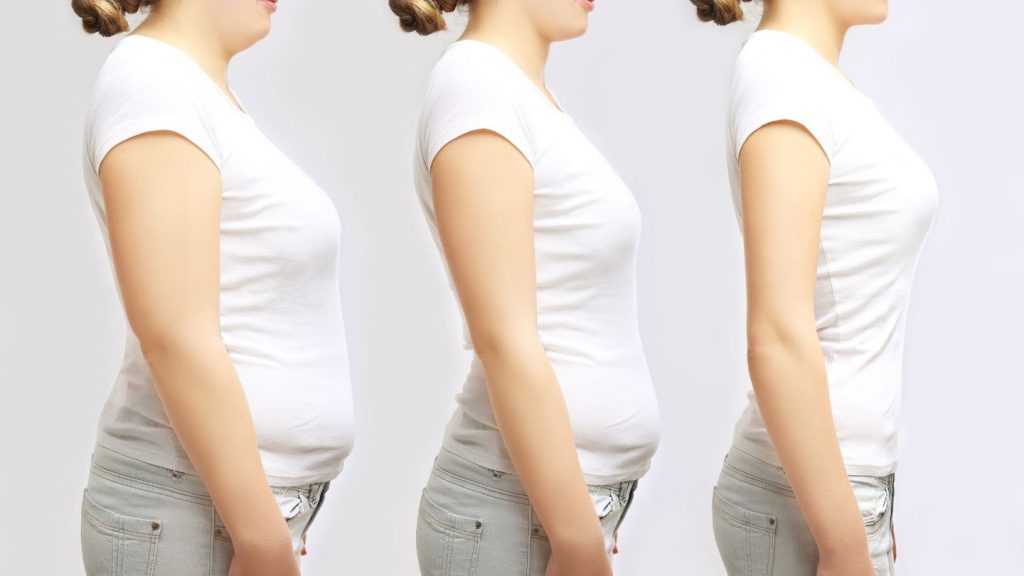
Understanding the timeline of skin changes helps set realistic expectations. Your body goes through distinct phases of adaptation after sleeve surgery, and skin responds to each phase differently.
Early post-operative phase: In the first weeks and months after gastric sleeve surgery, swelling resolves and tissues begin to soften. The skin may appear wrinkled or slightly loose, particularly around the abdomen and arms where fat loss tends to be noticeable early. During this period, skin changes are subtle and the body is still adjusting to its new caloric intake and metabolic state.
Active weight loss phase: As weight loss accelerates, loose skin becomes more visible. This is the period when most patients notice sagging skin around the abdomen, upper arms, inner thighs, and breasts. Many patients report functional issues during this phase – skin irritation, difficulty with clothing fit, and discomfort during exercise. Fat loss exposes the weaknesses in skin elasticity that were masked when the skin was still filled with adipose tissue.
Stabilization phase: Loose skin may take twelve to eighteen months to stabilize after surgery. By this point, the rate of weight loss has slowed considerably, and the skin has done most of the natural remodeling it’s going to do. Tissue reorganization continues slowly, but many gastric sleeve patients find that their skin appearance reaches a relatively stable state. This is typically when patients and their care teams begin discussing whether additional interventions might be appropriate.
Factors That Influence Your Skin Outcome
Several factors influence how much loose skin you may develop and how well your skin adapts after weight loss.
Age plays a significant role. Skin elasticity decreases with age, affecting recovery after weight loss. Age reduces skin elasticity due to less collagen production, which means older patients typically experience more pronounced sagging and slower healing. Younger patients often have better skin elasticity post-surgery and may see more favorable results from their skin’s natural remodeling process.
Genetics significantly influence skin elasticity after weight loss. Your genetic makeup determines baseline skin quality, including skin thickness, the density of collagen and elastin fibers, and your propensity for stretch marks. These characteristics are difficult to change but play a meaningful role in your skin’s response to weight loss.
Starting weight and total weight lost are among the strongest predictors of loose skin. The higher your body mass index before surgery, the more your skin has been stretched and the more likely it is that permanent structural damage has occurred. Losing over one hundred pounds increases the likelihood of loose skin, and the more excess weight you carry before your procedure, the more pronounced skin laxity may be afterward.
Duration of obesity matters as well. The longer your skin has been stretched, the more elastin integrity has been lost. Long-term obesity stretches skin beyond its recovery capacity, making retraction more challenging even with favorable genetics and younger skin.
Lifestyle factors are the most controllable variables in this equation. Good nutrition, adequate hydration, avoidance of smoking, strength training, and sun protection all support the skin’s remaining capacity for recovery. Experts suggest that smoking can impair skin health and impact surgical outcomes, making cessation one of the most impactful steps a patient can take.
Common Areas Where Loose Skin May Develop
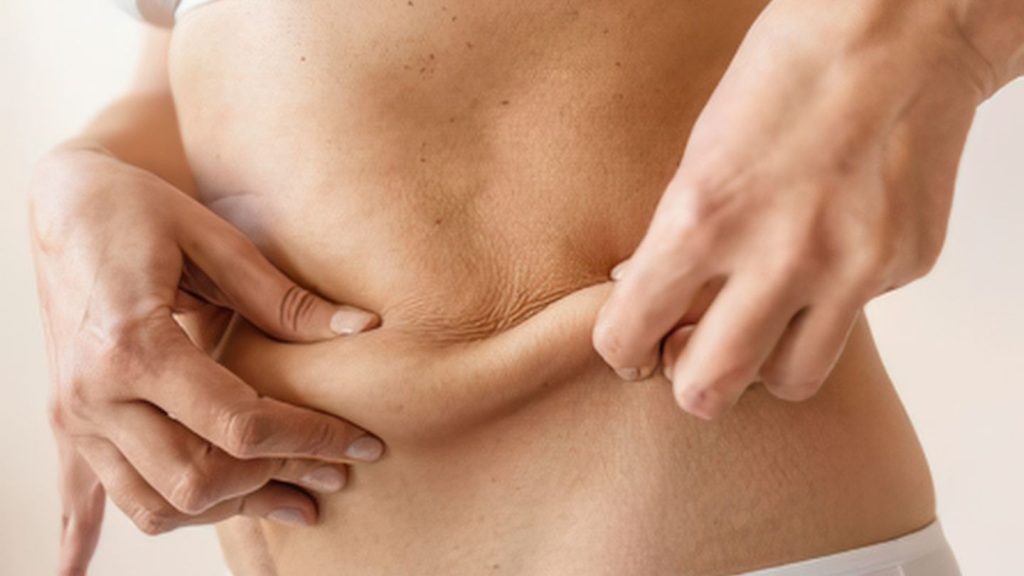
Loose skin tends to develop most prominently in areas where the body stored the most fat prior to surgery. The abdomen is the most commonly affected region for most patients, often showing the greatest degree of folding and overhanging skin. This is where fat distribution patterns have the most dramatic impact – the abdomen typically carried a significant portion of excess weight, and the skin there has been stretched the most.
Beyond the abdomen, common areas include the upper arms, inner thighs, breasts, flanks, buttocks, and sometimes the neck and face. Excess skin folds can cause irritation or rashes, particularly in areas where skin-on-skin contact creates moisture and friction.
There are notable variations between male and female patients. Women who undergo gastric sleeve may experience more noticeable sagging skin in the breasts and upper arms due to differences in fat distribution. Men may see more loose skin concentrated in the abdominal and flank regions. Individual body composition – including where you naturally carry weight – influences exactly where extra skin will be most apparent.
It’s important to understand that not everyone will experience the same pattern. How much loose skin develops in each area depends on your unique combination of genetics, age, skin thickness, fat loss patterns, and the remaining tissue structure beneath the skin.
Preparing Your Skin for the Best Possible Outcome
While loose skin cannot always be prevented during weight loss, there are meaningful steps you can take before and after gastric sleeve surgery to give your skin the best chance at recovery. The Maryland Bariatrics team emphasizes proper nutrition, hydration, physical activity, and continued clinical support as part of preparation for bariatric surgery and long-term recovery.
Nutrition is foundational. Eating enough protein supports skin health during weight loss by providing the building blocks your body needs for collagen synthesis and tissue repair. Vitamins and minerals – particularly vitamin C, zinc, and antioxidants – play essential roles in supporting the skin’s structural integrity. Nutritional deficiencies are common both in severe obesity and after bariatric procedures, making guided supplementation an important part of care. A balanced nutrition plan also includes understanding how many carbohydrates are appropriate after gastric sleeve surgery while continuing to meet protein and nutrient requirements.
Hydration matters more than many patients realize. Staying hydrated can help improve skin elasticity, supporting skin turgor and overall tissue health. Adequate fluid intake before and after surgery is a simple but effective strategy.
Exercise – particularly strength training – can help build muscle under loose skin, improving the body’s contours and providing better structural support beneath the skin’s surface. Starting gentle resistance training before surgery and progressing gradually afterward helps preserve fat-free mass, which plays a direct role in how the skin lays against the body.
Smoking cessation is non-negotiable. Smoking damages both collagen and elastin and is one of the most impactful modifiable risk factors for poor skin healing. Ceasing tobacco use well before surgery gives the body time to begin repairing some of that damage.
Post-Surgery Skin Care Strategies
After gastric sleeve surgery, follow the nutrition, hydration, activity, and supplementation instructions provided by your bariatric care team. Individual dietary needs can vary, and patients should not begin vitamins, supplements, or restrictive eating plans without professional guidance. Patients experiencing changes in food tolerance can also learn how to safely include dairy products after gastric sleeve surgery while following their recommended nutrition plan.
Moisturizing and sun protection may help support general skin health, while approved strength training can preserve muscle and improve body contours. Some patients may find compression garments comfortable during weight loss, but they should ask their care team whether these garments are suitable during recovery. These measures may support comfort and skin health, but they cannot guarantee that loose skin will be prevented.
Treatment Options for Excess Skin After Weight Loss
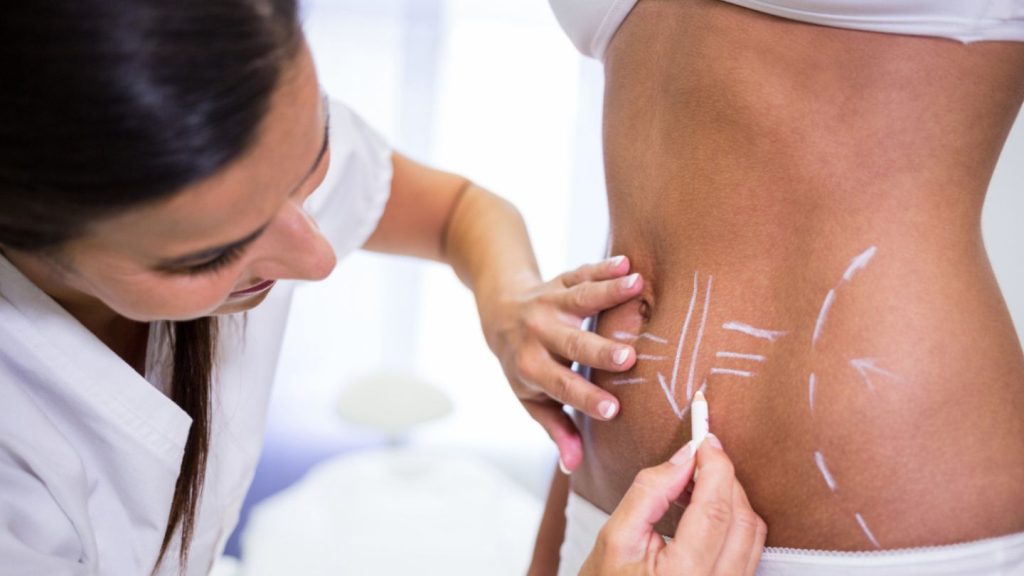
Patients concerned about loose skin should first discuss their symptoms with their bariatric care team. Mild skin laxity may sometimes be addressed through treatments such as radiofrequency, ultrasound, or laser therapy, although results vary and these treatments cannot remove substantial amounts of excess skin. These procedures are not listed as services provided by Maryland Bariatrics and would require consultation with an appropriately qualified outside specialist.
When excess skin causes persistent rashes, hygiene problems, discomfort, or restricted movement, a board-certified plastic surgeon may evaluate whether a skin-removal procedure is appropriate. Depending on the patient’s needs, outside specialists may discuss procedures such as panniculectomy, abdominoplasty, arm lift, thigh lift, breast lift, or lower-body lift. Mentioning these procedures does not mean they are performed by Maryland Bariatrics or Ascension Saint Agnes bariatric surgeons.
Patients are generally advised to reach and maintain a stable weight before pursuing elective body-contouring surgery. Understanding what causes weight gain after gastric sleeve surgery can help patients maintain their progress and avoid placing renewed strain on the skin. A qualified surgeon must determine appropriate timing based on weight stability, nutritional health, smoking status, medical history, and recovery from bariatric surgery. Insurance coverage varies, and documentation of rashes, infections, mobility limitations, or other medical concerns may be required.
Moving Forward With Confidence
Loose skin can be part of the physical changes that follow significant weight loss, but every patient’s experience is different. Understanding the influencing factors, supporting your health through proper nutrition and exercise, and allowing your body time to adjust can help you approach recovery with realistic expectations and greater confidence.
Ascension Saint Agnes bariatric surgeons provide personalized guidance for patients considering a gastric sleeve in Maryland. Our team can also explain whether a gastric balloon may suit your needs and discuss available laparoscopic bariatric procedures. For suitable patients, we can provide information about robotic surgery as another treatment approach. Contact us to discuss your options and receive guidance based on your health and weight-loss goals.
Frequently Asked Questions
Will I definitely have loose skin after gastric sleeve surgery?
Loose skin is not guaranteed for all gastric sleeve patients. While many patients do experience some degree of skin laxity after significant weight loss, the extent varies widely. Factors like age, genetics, how much weight you lose, and how long you carried excess weight all influence your outcome. Younger patients with good skin elasticity and shorter durations of obesity tend to experience less pronounced loose skin.
How long should I wait before considering skin removal surgery?
There is no single waiting period that is appropriate for every patient. Skin-removal procedures are generally considered after weight loss has slowed and the patient has maintained a stable weight. A qualified plastic surgeon should evaluate nutritional status, overall health, smoking history, and recovery before recommending treatment.
Can exercise help prevent loose skin after weight loss?
Strength training cannot prevent or remove loose skin, but it may help preserve muscle and improve overall body contours during weight loss. Patients should wait until their bariatric care team approves resistance exercise and should follow an activity plan appropriate for their stage of recovery.
What areas of my body are most likely to develop loose skin?
The abdomen is the most commonly affected area, often developing the most noticeable overhanging skin. Other areas prone to loose skin include the upper arms, inner thighs, breasts, flanks, and buttocks. Fat distribution patterns and where you carried the most weight before surgery largely determine which areas are most affected.
How do I know if I’m a good candidate for body contouring procedures?
Good candidates have typically reached a stable weight and maintained it for several months. You should be in good overall health, free of significant nutritional deficiencies, and ideally a non-smoker. If your excess skin is causing physical discomfort, hygiene issues, or interfering with daily activities, you may benefit from consulting with a cosmetic surgeon experienced in post-bariatric body contouring.
Does insurance cover skin removal surgery after bariatric surgery?
Coverage depends on the insurance plan and whether the procedure is considered medically necessary. Insurers may request records showing recurring rashes, infections, hygiene problems, pain, or limited mobility. Patients should speak with their insurer and the outside surgeon’s office to confirm eligibility, documentation requirements, and personal expenses.