
Can You Take Bariatric Vitamin Patches After Surgery?
If you’ve recently had weight loss surgery (or you’re preparing for it), you already know that vitamins aren’t optional; they’re part of long-term success and safety. But for many bariatric patients, swallowing pills daily can be difficult at first. Nausea, taste changes, reflux, and early post-op restrictions can make routine supplementation feel like a chore.
That’s why vitamin patches have become a popular topic in the bariatric world. They seem simple, convenient, and “easier than pills.” But the big question most people ask is: can you take bariatric vitamin patches after surgery, and more importantly, do vitamin patches work for bariatric patients?
In this blog, we’ll break down what bariatric vitamin patches are, whether they’re effective after surgery, why many bariatric teams caution against them, and what you can do instead to stay on track with your nutrition.
Why Bariatric Patients Need Vitamins After Surgery
Bariatric surgery helps with significant weight loss by limiting how much food you can eat and, depending on the procedure, reducing nutrient absorption. While the surgery supports powerful health improvements, it also creates a new reality: your body may not get enough vitamins and minerals from food alone.
After surgery, bariatric vitamin supplementation is necessary for several reasons:
- You eat much smaller portions, especially early on.
- Some procedures reduce the absorption of key nutrients.
- Protein goals often take priority, leaving less room for nutrient-dense foods.
- Some vitamin deficiencies can cause serious complications over time.
Even patients who feel fine can develop nutrient deficiencies, which is why supplementation isn’t just a short-term “recovery” plan; it’s usually lifelong. To better understand the role of vitamins in post-surgery health, exploring the importance of calcium for bariatric patients can provide valuable insights into maintaining long-term wellness.
How Bariatric Surgery Changes Nutrient Absorption
To understand vitamin patches after bariatric surgery, it helps to know what the surgery does inside the body.
Depending on the type of procedure (like gastric sleeve or gastric bypass), your digestive system changes in a way that affects:
- How much you can eat
- How nutrients break down
- How nutrients are absorbed into your bloodstream
Understanding how these changes impact your energy levels and overall recovery can also help you address common challenges like post-surgery fatigue.
Procedures like gastric bypass change how food travels through the stomach and intestines, meaning certain nutrients may not be absorbed as well as they did before. Nutrients like iron, calcium, vitamin D, and B12 are especially common concerns.
That’s why bariatric patients are typically advised to take bariatric-specific vitamins with forms and doses designed for post-op needs.
What Are Bariatric Vitamin Patches?
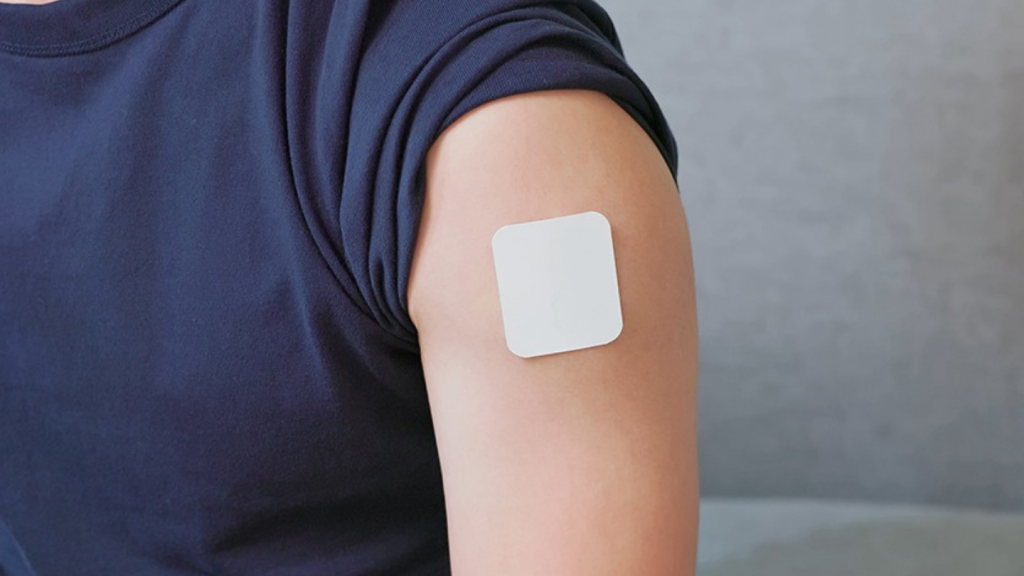
Bariatric vitamin patches are adhesive patches worn on the skin that claim to deliver vitamins and minerals through transdermal absorption, meaning the nutrients are absorbed through the skin and into the body.
They’re marketed as a convenient option for patients who struggle with:
- Swallowing large pills
- Nausea and vomiting
- Vitamin taste intolerance
- Forgetting daily supplements
It’s understandable why this sounds appealing. You stick on a patch, wear it, and feel like you’ve “covered” your daily vitamins without having to chew or swallow anything.
But here’s where the question becomes critical: do vitamin patches work for bariatric patients, especially after surgery?
Can You Take Bariatric Vitamin Patches After Surgery?
Let’s answer the main question clearly:
Yes, you can take bariatric vitamin patches after surgery, BUT they are not considered a reliable replacement for bariatric vitamins.
Many patients search:
- Can you take bariatric vitamin patches after surgery
- Can I take vitamin patches after bariatric surgery
- vitamin patches after bariatric surgery
The truth is that while nothing physically stops you from using a patch, the bigger concern is whether your body is getting what it needs. After surgery, your nutrient needs are high, and deficiencies can develop quickly if supplements aren’t effective.
So while the patch may look like an easy workaround, most bariatric experts recommend oral supplements because they’re proven to deliver consistent, measurable nutrition.
How Transdermal Nutrient Absorption Works (And Why It’s Complicated)
Transdermal absorption works best for certain medications that are designed to pass through the skin barrier in a consistent way. For nutrients, it’s more complicated.
Your skin is designed to protect you. It blocks a lot of substances from entering your bloodstream. That means nutrients may not absorb easily, especially in the doses bariatric patients require.
Many factors can influence transdermal absorption, including:
- Skin thickness and hydration
- Sweating
- Patch placement
- How long the patch stays on
- Ingredient formulation
- Individual metabolism
Do Vitamin Patches Work for Bariatric Patients?
This is the most important question, and it comes up constantly:
Do vitamin patches work for bariatric patients?
In most cases, vitamin patches are not proven to consistently meet post-bariatric vitamin and mineral needs.
The main concern is not that patches are “dangerous” on their own. The real concern is that patients may rely on them instead of taking the required supplements, leading to deficiencies.
Why bariatric vitamin patches may not work well:
- Vitamins and minerals vary in size and absorption ability
Many nutrients aren’t easily absorbed through skin barriers. - Bariatric patients often need higher doses
Post-surgery requirements can be higher than what a patch can reliably deliver. - You can’t “feel” a deficiency early
People often assume they’re fine because they don’t feel symptoms until deficiencies become more severe. - Labs are the real proof
The only way to know if supplementation works is through bloodwork. If patches aren’t improving labs, they’re not doing their job.
For patients seriously considering vitamin patches after bariatric surgery, it’s important to understand that convenience doesn’t equal effectiveness.
Are Bariatric Vitamin Patches Safe?
In many situations, vitamin patches are generally safe to wear, but that doesn’t mean they’re the best choice.
Possible issues include:
- Skin irritation or adhesive reaction
- Redness, itching, or rash
- Inconsistent absorption
- A false sense of security
The biggest risk is relying on them as your primary source of vitamins after surgery, when your body may not be receiving what it needs.
Better Alternatives to Vitamin Patches After Bariatric Surgery
If you’ve tried oral vitamins and struggled, you’re not alone, and you still have options.
Here are bariatric-friendly alternatives that many patients tolerate better:
1. Chewable bariatric vitamins
Chewables are commonly recommended early after surgery because they’re easier to digest and don’t require swallowing large pills.
2. Soft chews
Soft chew supplements can be easier to tolerate for patients who dislike chalky textures or strong aftertastes.
3. Liquid vitamins
Liquid vitamins may help if nausea is a problem or if you’re sensitive to pill forms.
4. Sublingual supplements
Sublingual B12 (dissolved under the tongue) is a common solution for supporting B12 levels without traditional pills.
5. Injections (when necessary)
For certain deficiencies (like B12), injections may be recommended if labs show low levels or absorption is poor.
If you’re thinking, “Can I take vitamin patches after bariatric surgery because I can’t tolerate anything else?” it’s better to speak with your bariatric team about adjusting vitamin forms than risking inconsistent supplementation. Additionally, learning about the vital vitamins needed for post-bariatric surgery health can help you make informed decisions about supplementation and avoid potential deficiencies.
How to Stay on Track With Vitamins After Surgery

The best strategy is to avoid guessing. Bariatric nutrition is too important to “hope it works.”
To stay consistent:
- Follow your surgeon’s post-op protocol
- Take bariatric-approved vitamins daily
- Set reminders or link vitamins to a daily routine
- Stay hydrated and meet protein goals
- Get routine lab work and follow-up visits
If symptoms like fatigue, hair loss, dizziness, weakness, tingling, or brain fog appear, don’t ignore them. Those could be signs of deficiency and should be evaluated with labs.
Final Thoughts
Vitamin patches may sound like an easy solution, but when it comes to vitamin patches after bariatric surgery, the bigger issue is effectiveness, not convenience. If you’re asking, can you take bariatric vitamin patches after surgery? The best approach is to focus on what keeps your nutrient levels stable and supported long term.
For personalized guidance on safe supplementation after bariatric surgery in Maryland, the bariatric team at Ascension Saint Agnes Bariatric Surgery can help you choose the best plan for your recovery and long-term results through mdbariatrics.com.
Frequently Asked Questions
Can you take bariatric vitamin patches after surgery?
Yes, you can take bariatric vitamin patches after surgery, but they are not considered a reliable replacement for bariatric supplements, especially when long-term nutrition and deficiency prevention are critical.
Do vitamin patches work for bariatric patients?
Most evidence suggests vitamin patches do not consistently deliver the nutrients bariatric patients need after surgery. Bloodwork is the only way to confirm whether they’re helping maintain adequate levels.
Are vitamin patches safer than bariatric vitamins?
Not necessarily. While patches may cause fewer stomach-related issues, they can still lead to problems if they don’t provide enough nutrients, making deficiencies a bigger concern than side effects.
What happens if I don’t take vitamins after bariatric surgery?
Skipping vitamins can lead to deficiencies that may cause fatigue, anemia, bone loss, nerve issues, hair loss, or more serious complications over time. Bariatric supplements are typically lifelong.
What’s the best alternative if I can’t tolerate vitamins after surgery?
Many patients do better with chewables, soft chews, liquids, sublingual supplements, or medically guided injections. Your bariatric team can help you find a form that works for your body and stage of healing.