
Eating Chocolate After Gastric Sleeve: A Patient’s Guide
After gastric sleeve surgery, your eating habits and tolerance for certain foods change significantly, including sweets like chocolate. While chocolate is not permanently off-limits, it needs to be reintroduced carefully and at the right stage of your recovery. Because your stomach is smaller and more sensitive, high-sugar and high-fat foods can cause discomfort, blood sugar swings, or slowed weight loss if introduced too soon. In this blog, we’ll discuss when it may be safe to enjoy chocolate again, how much is appropriate, which types are better tolerated, and how to protect your long-term weight loss results. Understanding these guidelines can help you make balanced, informed choices after surgery.
Key Takeaways
- You generally need to wait around 3–6 months after gastric sleeve surgery before trying chocolate, and only after you reliably hit your protein and fluid goals each day.
- Chocolate itself is not forbidden forever, but its combination of sugar and fat can easily slow weight-loss progress, trigger uncomfortable symptoms, and reignite old eating patterns.
- The first 6–8 weeks post-op are strictly for healing, clear liquids, full liquids, pureed foods, then soft foods. Chocolate does not belong in any of these early stages.
- Dark chocolate with 70%+ cocoa content is the safest long-term option when enjoyed in small portions after balanced, protein-rich meals.
- Your timeline may differ from someone else’s, so always follow the specific guidance from your own surgeon and dietitian before reintroducing any treats.
Why Chocolate Is a Special Concern After Gastric Sleeve
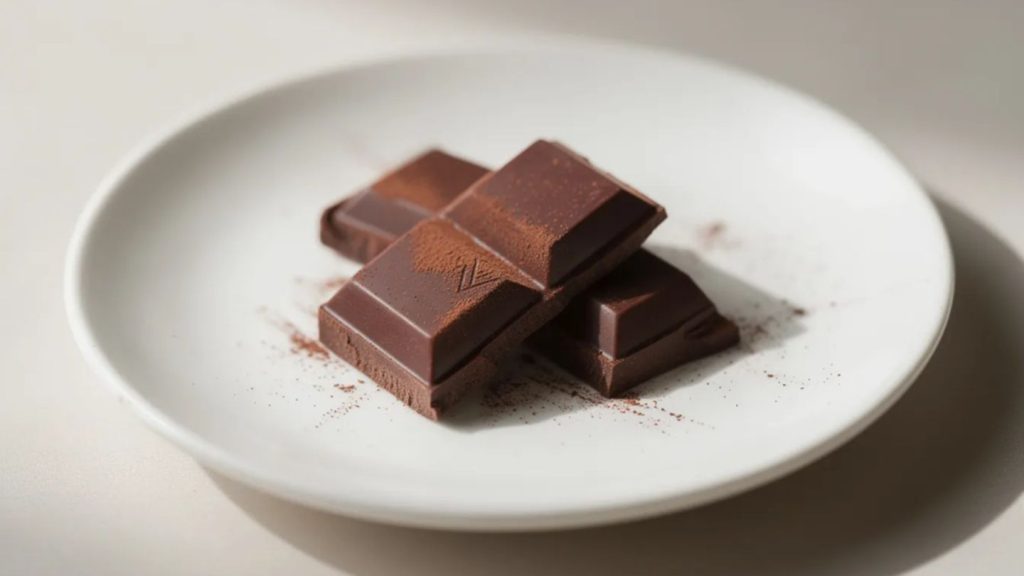
Your post-sleeve stomach is dramatically different from before. With a capacity of just 100–150 milliliters (compared to the original 1–1.5 liters), it’s smaller, more sensitive, and processes foods differently, especially those high in sugar and fat.
Many patients choose sleeve gastrectomy because of the well-documented advantages of gastric sleeve surgery, including reduced hunger hormones, significant weight loss, and improved metabolic health. However, those same anatomical and hormonal changes mean that concentrated sweets like chocolate can feel very different after surgery.
The main concern isn’t chocolate as an ingredient itself. It’s that most chocolate combines high sugar content, high fat, minimal protein, and little fiber, exactly the opposite of what your healing body needs. A single ounce of milk chocolate can contain 15–20 grams of sugar, while white chocolate pushes even higher at 20–25 grams.
Chocolate also falls into the category of “slider foods”, along with ice cream, chips, and other melt-in-your-mouth treats. These foods pass through your sleeve quickly without creating lasting fullness, making it dangerously easy to consume excess calories without realizing it.
For many patients, eating sugar in concentrated forms can trigger uncomfortable reactions:
- Nausea and stomach upset
- Cramping and bloating
- Cold sweats and dizziness
- Rapid heartbeat
- Reactive hypoglycemia (blood sugar spikes followed by crashes) 1–3 hours after eating
Because your stomach size is so limited, every bite truly counts. Chocolate must never replace protein, hydration, and essential nutrients in your daily plan. When you only have room for 4–6 ounces of food at a time, filling that space with nutrient-dense foods becomes critical.
When Can You Safely Eat Chocolate After a Gastric Sleeve?
Understanding your post-op phases helps clarify exactly when chocolate might enter the picture. Here’s what a typical timeline looks like:
| Phase | Timeframe | Foods Allowed | Chocolate Status |
| Clear Liquid Diet | Days 1–3 | Water, broth, sugar-free gelatin | Not allowed |
| Full Liquids | Weeks 1–2 | Protein shakes, strained soups | Not allowed |
| Pureed Foods | Weeks 3–4 | Blended proteins, smooth textures | Not allowed |
| Soft Foods | Weeks 5–8 | Tender proteins, cooked vegetables | Not allowed |
| Solid Foods | 2–3+ months | Well-tolerated whole foods | Possible with approval |
During the clear liquids and full liquids phases, your priority is healing, preventing leaks at the surgical staple line, and tolerating protein and fluids. There’s simply no room, literally or nutritionally, for chocolate.
Most bariatric teams consider reintroducing chocolate somewhere between 3 and 6 months post op, but only once you:
- Handle solid foods well without symptoms
- Consistently meet your protein goals (60–80 grams daily)
- Stay on track with weight loss
- Maintain proper hydration (64+ ounces daily)
Some patients may tolerate a tiny piece of dark chocolate closer to the 3-month mark, while others are advised to wait longer, or avoid it entirely due to diabetes, complications, or personal history with emotional eating.
What Happens If You Eat Chocolate Too Early?
Experimenting with chocolate during the first 6–8 weeks is strongly discouraged. Your new stomach is still healing, and introducing high-sugar foods or high-fat items can lead to real problems.
Common immediate symptoms of eating chocolate too early include:
- Stomach cramping and sharp pain
- Nausea or vomiting
- Bloating and discomfort
- Dizziness or feeling lightheaded
- Feeling unwell soon after eating
Even if chocolate seems to “go down” easily, remember that slider foods can stall weight loss without triggering the fullness signals you’d get from protein-rich meals. Calories sneak in without any real satiety.
For patients sensitive to concentrated sweets, early sugar intake may contribute to dumping syndrome, a rapid gastric emptying response that causes sweating, cramping, diarrhea, and palpitations. This affects roughly 20–30% of post-sleeve patients.
If you experience sharp pain, repeated vomiting, or severe symptoms after eating sweets, contact your bariatric team promptly. Don’t ignore warning signs from your body’s signals.
Read More: Diarrhea After Gastric Sleeve: 3 Reasons Why It Happens and How to Deal With It
How to Reintroduce Chocolate Safely After Gastric Sleeve
Once you’re several months post-surgery, cleared for solid foods, and consistently meeting your protein and hydration goals, you may be ready to test chocolate carefully.
Before trying any treats, confirm with your own surgeon or dietitian, especially if you have diabetes, reflux, or prior complications. Their guidance takes priority over any general advice.
- A cautious first trial approach:
- Choose a high-cocoa dark chocolate (around 70–85% cocoa)
- Start with a very small portion, just 5–10 grams (one tiny piece)
- Eat slowly and let it melt fully, chewing thoroughly
- Observe your body for symptoms over the next 1–2 hours
- Note any reactions in a food journal
Always eat chocolate after a protein-rich meal or snack, never on an empty stomach. This helps reduce blood sugar spikes and minimizes the chance of nausea or lightheadedness.
For frequency, think of chocolate as an occasional treat, perhaps once or twice a week at most, fitting within the 90/10 approach where 90% of your diet comes from nutrient-rich foods like protein, vegetables, and whole grains.
Read More: Diet After Gastric Sleeve Surgery: A Comprehensive Guide
Choosing the Best Types of Chocolate After Surgery
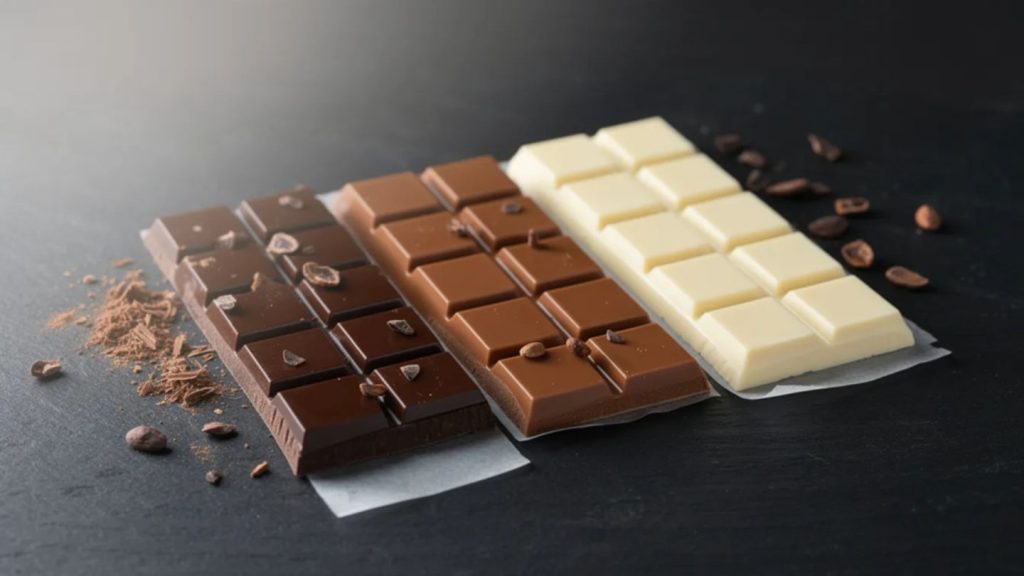
Not all chocolate is created equal from a bariatric perspective. Here’s how the main types compare:
Dark Chocolate (70–85% cocoa)
- Contains less sugar (5–10g per ounce vs. 15–20g in milk varieties)
- Higher in cocoa solids, which provide antioxidants and minerals
- Contains iron (up to 12mg per 100g) and magnesium (200–250mg per 100g)
- Preferred choice in very small amounts
- Still calorie-dense at 150–200 calories per ounce
Milk Chocolate
- Significantly higher in sugar
- May trigger stronger cravings and blood sugar swings
- Contains lactose, which can cause issues for lactose-intolerant post-sleeve patients
- Best delayed longer and limited to rare occasions
White Chocolate
- Contains no actual cocoa solids, just sugar and fat
- Offers no meaningful nutrients for bariatric patients
- Highest dumping risk
- Generally best avoided entirely
Filled or coated chocolates, those with caramel centers, truffles, or nougat, add even more sugar and fat per bite, making them especially risky for both symptoms and weight regain.
Bariatric-Friendly Chocolate Options
If you’re craving something chocolatey, there are alternatives that satisfy while supporting your nutritional needs:
- Bariatric protein products:
- Look for chocolate protein shakes or bars with whey, casein, or plant protein as the first ingredient
- Choose products with low added sugar per serving
- Many bariatric-formulated options provide 10–20g of protein per serving
- Homemade alternatives:
- Cocoa-based protein “mousse” using unsweetened cocoa powder, protein powder, and Greek yogurt
- Hot chocolate made with unsweetened cocoa, a zero-calorie sweetener like monk fruit, and a high-protein base
- Fresh fruit dipped in a small amount of melted dark chocolate
- A word of caution about sugar-free options: Many sugar-free candy and chocolate products rely on sugar alcohols like maltitol, sorbitol, or xylitol. For many patients, these can cause gas, cramping, and diarrhea due to their osmotic laxative effects. If you try sugar-free products, test a very small portion first and stop eating immediately if digestive symptoms occur.
Some patients find that a single small serving of real, lower-sugar dark chocolate is better tolerated and easier to control than larger amounts of sugar-free alternatives.
Always check nutrition labels for total sugar, sugar alcohols, and protein content before choosing any chocolate-flavored product.
Portion Sizes, Frequency, and Long-Term Habits
Long-term success depends less on whether chocolate is “allowed” and more on how much, how often, and in what context you eat it. Patients who are still evaluating their options often begin with a comprehensive guide to the cost of gastric sleeve surgery, since understanding the long-term financial and lifestyle commitment can reinforce the importance of protecting results through consistent dietary habits.
- Recommended portion guidelines:
- Limit to 10–15 grams of dark chocolate (about one or two small squares)
- Eat slowly, take 20–30 chews per piece, letting it melt fully
- Consider it a small serving meant to satisfy, not a snack to fill up on
- Strategies that help many patients:
- “No chocolate at home, only on pre-planned occasions.”
- “One small portion once a week, logged in my food journal.”
- Eating at the table rather than in front of screens
- Pausing after eating to assess satisfaction before reaching for more
If the scale starts creeping up or cravings intensify, it may be necessary to temporarily remove chocolate from your routine. This isn’t failure, it’s responsive self-care. Discuss patterns with your bariatric team so they can help you adjust.
Will Chocolate Stretch My Sleeve?
A single small piece of chocolate will not physically stretch your sleeve. Your new stomach’s shape is maintained by surgery and scar tissue formation, not by any single meal. Many patients also ask whether a stretched stomach after a gastric sleeve is possible, and while the sleeve does not simply “stretch” from one food choice, repeated overeating of calorie-dense foods over time can increase portion tolerance and affect long-term results.
However, repeated overeating of any calorie-dense foods, including chocolate and other slider foods, can gradually increase stomach capacity and tolerance for larger portions over months or years. The real risk is behavioral rather than mechanical. Frequent grazing on chocolate between meals undermines portion control and creates patterns that lead to slow weight regain. Research shows that patients who don’t adhere to structured eating patterns are more likely to gain weight back over time.
- To protect your progress:
- Maintain structured meals and snacks
- Fit chocolate (if used at all) into planned eating times
- Avoid constant nibbling throughout the day
- Stop eating when satisfied, even if food remains
Read More: What Causes Weight Gain After Gastric Sleeve Surgery?
Emotional Eating, Cravings, and Mindful Chocolate Enjoyment
For many people, chocolate was a powerful comfort food before surgery, linked to stress relief, celebration, or coping with difficult emotions. Understanding this relationship is essential for long-term success.
Gastric sleeve surgery changes hunger hormones and often reduces physical cravings for large amounts of sugary foods. Many patients report feeling surprised by how little they want the unhealthy foods they once obsessed over. However, emotional and habit-based cravings can persist for months or years.
Learning to distinguish hunger types:
| Physical Hunger | Emotional Cravings |
| Gradual onset | Sudden onset |
| Stomach-based sensations | Mind-based urges |
| Satisfied by any balanced meal | Specific to chocolate or sweets |
| Fades after eating | May persist despite eating |
| No guilt afterward | Often followed by regret |
When you feel hungry or crave chocolate, pause and ask yourself what’s really happening. Are you physically hungry, or are you stressed, bored, tired, or upset?
- Mindful eating strategies for chocolate:
- Sit down at a table without distractions
- Look at the chocolate and appreciate its appearance
- Take small bites and eat slowly
- Notice the texture, flavor, and how it changes as it melts
- Stop at genuine satisfaction, not when the portion is gone
- Observe how you feel 30 minutes later
If chocolate feels out of control, triggers guilt and shame, or becomes a way to cope with anxiety or sadness, professional support can help. Bariatric counselors, psychologists, and peer support groups specialize in helping patients navigate these challenges. You don’t have to figure it out alone.
Read More: Top Solutions for Managing Hunger After Gastric Sleeve Surgery
Better Sweet Alternatives to Traditional Chocolate
Sometimes you want “something sweet” without defaulting to a chocolate bar. Having a toolbox of alternatives helps you make food choices that satisfy cravings while supporting your goals.
- Ideas that provide nutrition alongside sweetness:
- Fresh fruit like berries with a spoon of Greek yogurt and a light dusting of cocoa powder
- A small baked apple with cinnamon and natural sweeteners
- Protein-rich cocoa snacks made with measured ingredients
- Sugar-free hot chocolate made with unsweetened cocoa and a protein shake base
The key is choosing options that provide enough protein or fiber along with sweetness. This creates fullness and better blood sugar control compared with plain chocolate or refined carbs.
Even healthier sweets should respect portion limits and appear only after protein goals and hydration are met for the day. Vegetables, lean proteins, and nutrient-dense foods always come first.
Many long-term gastric sleeve patients report that over time, their taste buds adapt. Foods that once seemed “not sweet enough” now satisfy completely. What felt like deprivation in the early months often becomes a genuine preference.
Read More: How Many Carbs After Gastric Sleeve Are Okay?
Putting It All Together: A Sample Timeline for Chocolate After Gastric Sleeve
Here’s an example of how one typical patient might progress. Remember, this is illustrative; your timeline must follow your own surgeon and dietitian’s recommendations.
- Weeks 0–8: No chocolate at all. Focus entirely on healing, protein shakes, clear liquids, and progressing to soft foods.
- Months 3–4: If cleared by your team and meeting all protein and hydration goals, try one tiny piece of dark chocolate (5–10g) on a trial day, eaten slowly after a protein-rich meal. Observe for symptoms.
- Months 4–6: If tolerated well, enjoy occasional indulgence of a small portion once every week or two. Continue logging in the food journal.
- Beyond 6 months: Carefully integrated, infrequent chocolate within a stable, high-protein diet. Use the 90/10 rule, 90% nutrient-dense foods, 10% for treats.
- Throughout your first postoperative year, weight loss and health improvements should remain the main priority. Chocolate stays clearly in the “treat” category, not a daily habit, not a coping mechanism, not a reward for hard days.
- Planning for special occasions: Birthdays, holidays, and celebrations will come. Decide in advance what and how much chocolate you’ll have, rather than making spur-of-the-moment choices under social pressure. This isn’t about restriction, it’s about staying in control of your own journey.
The encouraging truth? Enjoying chocolate in small portions can absolutely be compatible with strong weight loss results when handled intentionally and in line with professional guidance.
Final Thoughts
Eating chocolate after gastric sleeve surgery is possible, but timing, portion control, and food choices matter significantly. In the first 2–3 months, your stomach is still healing and cannot tolerate sugary, high-fat foods like chocolate. Most patients are advised to wait 3–6 months before reintroducing small amounts, and only after consistently meeting protein and hydration goals. Dark chocolate in tiny portions is generally the safest option long term, while milk and white chocolate carry higher risks of discomfort, blood sugar spikes, and stalled weight loss. Ultimately, chocolate should remain an occasional treat within a structured, protein-focused bariatric diet.
At Ascension Saint Agnes Bariatric Surgery, every patient receives individualized guidance from an experienced bariatric surgeon in Maryland, along with a dedicated clinical team to ensure safe recovery and sustainable weight loss. Whether you are considering procedures such as endoscopic sleeve gastroplasty or require revision bariatric surgery, our care team will provide detailed nutritional milestones and dietary progression guidelines. Because each patient’s healing timeline and tolerance levels differ, it is essential to follow the personalized post-operative instructions provided by your surgical team before reintroducing sweets like chocolate into your diet. If you are preparing for surgery or need personalized support during your recovery, our team is here to help. Contact Ascension Saint Agnes Bariatric Surgery today to schedule a consultation and receive expert guidance tailored to your weight loss journey
Frequently Asked Questions
Can I ever go back to “normal” sweets and chocolate after a gastric sleeve?
“Normal” needs to be redefined after gastric bypass or sleeve surgery. Very sugary, high-fat chocolates and desserts are likely to cause symptoms or contribute to weight regain, so your new normal becomes rare, small portions of higher-quality, low sugar options, if tolerated. Many long-term sleeve patients actually find they prefer less sweet options over time, making this adjustment easier than they first expected. The key is ensuring protein, vegetables, and fluids always come first each day before considering any sweets.
Is hot chocolate allowed after gastric sleeve surgery?
Traditional hot chocolate made with sugar and full-fat milk is usually too high in sugar and calories, especially in the early months. However, once you’re cleared for full liquids and beyond, a homemade version can work well. Try unsweetened cocoa powder mixed with a measured amount of low sugar or sugar-free sweetener and a high-protein base like a chocolate protein shake blended with warm water. Introduce any hot chocolate slowly, checking for tolerance, and confirm the approach with your dietitian.
Is sugar-free chocolate better for gastric sleeve patients?
“Sugar-free” doesn’t automatically mean “safe” or “healthy.” Many sugar-free products contain sugar alcohols that can cause bloating, cramping, and diarrhea after bariatric surgery. Test a very small amount first and stop immediately if digestive symptoms occur. For some patients, a small portion of real, lower-sugar dark chocolate is better tolerated and easier to control than larger amounts of sugar-free candy.
Will my chocolate cravings completely disappear after surgery?
Many patients report fewer physical cravings due to hormonal changes, particularly reduced ghrelin, the hunger hormone. However, emotional cravings linked to stress, routine, or nostalgia can continue. Track when and why cravings appear. Is it late evening? After work stress? At social events? Developing non-food coping strategies helps address the root cause. If cravings feel overwhelming or lead to frequent overeating, working with a bariatric psychologist or counselor can be very effective.
What should I do if I overeat chocolate one day after my gastric sleeve?
Don’t panic or swing to extreme restriction. Focus on hydration, return to your usual structured meal plan, and observe any physical symptoms. If you feel sick, rest and let your stomach settle. Make a brief note in your food diary about what was happening emotionally or situationally before overeating. Use it as a learning opportunity rather than evidence of failure. If episodes become frequent, discuss patterns with your bariatric team. They can help arrange adjustments or additional support, because this journey works best when you’re not facing it alone.