
Essential Tips For Bariatric Surgery Recovery
Recovering after bariatric surgery is a big milestone, physically, mentally, and emotionally. Whether you’ve had a gastric sleeve, a gastric bypass, or another type of procedure, understanding what happens next can make your healing smoother, safer, and far less stressful.
This blog shares realistic expectations, helpful habits, and proven bariatric surgery recovery tips so you can feel confident through every stage of healing. If you’re searching for recovery from bariatric surgery, weight loss surgery recovery, or recovery from weight loss surgery, this blog will walk you through what matters most.
What to Expect Right After Bariatric Surgery (First 24–72 Hours)
The first few days after surgery are focused on stability, pain control, hydration, and gentle movement. Your care team will closely monitor you, encourage walking, and help you begin your post-op routine safely.
Recovery in the hospital
Most people stay in the hospital for a short period (often 1–2 nights, depending on the procedure and personal recovery). During this time, you’ll likely focus on:
- Walking short distances (even the same day as surgery when possible)
- Managing nausea and discomfort
- Starting small, frequent sips of liquids
- Monitoring vital signs and incision sites
This early stage is a key part of weight loss surgery recovery because it sets the foundation for healing and preventing complications.
Pain control and discomfort
Soreness, pressure, and tenderness are common. Your team may recommend medication and specific strategies for comfort. Pain is normal, but worsening pain, fever, or severe symptoms should always be reported.
Bariatric Surgery Recovery Timeline (Week-by-Week)
A common mistake is expecting recovery to feel “complete” in just a few days. While many people improve quickly, recovery from bariatric surgery happens in phases.
Week 1: Rest, hydration, and walking
This is the most delicate period of bariatric surgery recovery. Your top priorities are:
- Resting frequently
- Taking small sips all day to stay hydrated
- Walking for short intervals (several times daily)
- Following your post-op diet instructions exactly
You may feel tired, sore, and emotional, and that’s normal.
Weeks 2–4: Routine building
This stage of recovery from weight loss surgery is often when people feel “better,” but still need to be careful. Your energy may improve, but your body is still healing internally.
Focus on:
- Staying consistent with hydration and protein goals
- Getting gentle movement daily
- Avoiding lifting, straining, or high-impact activity
Weeks 4–6: Strength and stability return
As healing progresses, you may start increasing activity gradually (with medical clearance). Many people also begin transitioning to more solid food textures during this stage.
6 weeks and beyond: Long-term habits matter most
Even once you feel “normal,” long-term success depends on consistency. This is when your daily choices (nutrition, movement, supplements, follow-ups) become the backbone of lasting results. Adopting these habits ensures a smoother transition into your new lifestyle, which is a key part of living life after weight loss surgery.
Bariatric Surgery Recovery Tips That Make a Real Difference

If you’re looking for practical recovery tips after bariatric surgery, start here. These strategies support healing, prevent setbacks, and make your transition easier.
1) Stay hydrated (and protect your energy levels)
Hydration is one of the biggest factors in successful recovery from bariatric surgery. Dehydration can sneak up fast, especially early on.
Helpful habits:
- Sip frequently throughout the day
- Use a timer if needed
- Avoid gulping (it may cause discomfort or nausea)
- Watch for signs like dizziness, fatigue, headaches, or dark urine
If you’re searching for bariatric surgery recovery tips, hydration is one of the most important ones you can follow consistently.
2) Follow your post-op diet stages exactly
Your diet plan exists to protect your healing stomach and reduce complications. Recovery from weight loss surgery is not the time to “experiment” with foods.
Common guidelines include:
- Eating slowly
- Stopping at the first sign of fullness
- Prioritizing protein (as directed)
- Avoiding sugary, greasy, or highly processed foods early on
Following this plan supports safer weight loss surgery recovery and helps prevent nausea, vomiting, or discomfort. Sticking to these dietary stages is one of the most essential tips for bariatric surgery recovery to ensure a safe and effective healing process.
Read More: Navigating Nutrients: Vital Vitamins for Post-Bariatric Surgery Health
3) Avoid overdoing it (even if you feel good)
Many patients hit a point where they feel “fine” and start doing too much too soon. That can lead to setbacks.
Key reminders:
- Don’t lift heavy objects until cleared
- Avoid intense exercise early on
- Take breaks throughout the day
A smooth bariatric surgery recovery is more about consistency than pushing through.
4) Wear comfortable clothing to reduce irritation
After surgery, your abdomen may be sore, bloated, or sensitive. Comfortable clothing makes daily movement easier.
Choose:
- Loose waistbands
- Soft fabrics
- Simple slip-on shoes for walking
It may seem small, but comfort reduces friction and helps you focus on healing during recovery from bariatric surgery.
5) Use supportive pillows and better sleep positioning

Sleep is critical during recovery from weight loss surgery, but it can feel uncomfortable at first.
Helpful sleep supports include:
- A wedge pillow or extra pillows for elevation
- Side sleeping only if comfortable and approved
- Keeping items nearby to avoid frequent bending
6) Practice incision care and personal hygiene habits
Proper incision care reduces infection risk and supports smoother healing.
General best practices:
- Keep the area clean and dry
- Avoid soaking wounds until cleared
- Monitor for redness, swelling, drainage, or warmth
If anything looks unusual, contact your care team. Incision care is a major part of weight loss surgery recovery.
7) Walk daily (the simplest recovery “hack”)
Walking helps:
- Reduce blood clot risk
- Improve circulation
- Ease gas discomfort
- Support energy and mood
Daily walking is one of the most underrated recovery tips after bariatric surgery, and one of the most effective. Walking is not just a recovery tool but a stepping stone to building a sustainable exercise routine after bariatric surgery, as highlighted in many post-surgery recovery strategies.
Post-Surgery Diet Guidelines for Recovery from Bariatric Surgery
Your post-op diet plan may include liquids, purees, soft foods, and eventually regular textures. These stages help your stomach heal properly while gradually increasing tolerance.
General recovery eating principles include:
- Eat slowly and chew thoroughly
- Stop eating as soon as you feel full
- Avoid drinking while eating (if advised)
- Prioritize protein and nutrient-dense foods
Diet is one of the biggest determining factors in long-term bariatric surgery recovery, so take it seriously, even if you’re feeling great.
When Can You Exercise After Bariatric Surgery?
Exercise is important, but timing matters. During recovery from bariatric surgery, your activity should progress gradually.
Safe early activities
- Short walks multiple times per day
- Gentle stretching (if approved)
- Light daily movement around the home
Activities to avoid early on
- Heavy lifting
- Abdominal strain
- High-impact workouts
- Intense cardio sessions
As your surgeon clears you, you can gradually return to strength training and longer activity sessions. Exercise supports lasting results, but it should never come at the cost of healing.
Common Challenges During Weight Loss Surgery Recovery
Even when recovery is going well, you might experience discomfort or bumps along the way. Common issues during recovery from weight loss surgery can include:
- Nausea (often tied to eating too fast or intolerance)
- Vomiting (sometimes from overeating or drinking too quickly)
- Dehydration
- Constipation
- Gas pain/bloating
- Low energy
- Hair thinning or skin changes (often temporary)
- Vitamin or nutrient deficiencies if supplements aren’t followed
These issues are common, but persistent or severe symptoms should always be checked by your medical team.
Warning Signs to Watch for During Bariatric Surgery Recovery
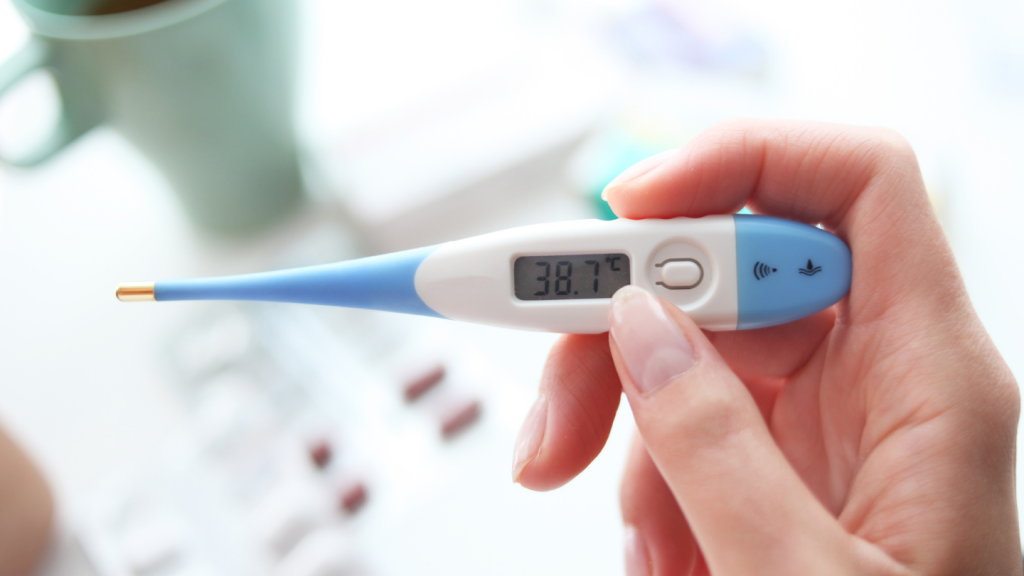
While many side effects are normal, some symptoms require urgent attention. Contact your provider if you experience:
- Fever
- Severe or worsening pain
- Chest pain or shortness of breath
- Persistent vomiting
- Signs of infection at incision sites
- Severe dehydration symptoms
When it comes to recovery from bariatric surgery, it’s always better to ask early than wait too long.
Final Thoughts
A successful recovery from bariatric surgery isn’t about doing everything perfectly; it’s about staying consistent with the basics: hydration, nutrition, movement, rest, and follow-up care. The more you respect the process of weight loss surgery recovery, the more confident and comfortable you’ll feel as your body adapts.
If you’re preparing for surgery or currently navigating recovery from weight loss surgery, the team at Ascension Saint Agnes Bariatric Surgery can support you with the right guidance, structure, and long-term tools for success.
Frequently Asked Questions
How long does recovery from bariatric surgery take?
Many people feel noticeably better in 2–4 weeks, but full internal healing and adjustment can take several months. Your exact bariatric surgery recovery timeline depends on your procedure, lifestyle, and health history.
What are the best bariatric surgery recovery tips?
Top bariatric surgery recovery tips include staying hydrated, walking daily, following diet stages closely, avoiding heavy lifting, and attending follow-up appointments consistently.
What helps with nausea during recovery from weight loss surgery?
Nausea is often linked to eating too quickly, drinking too fast, or trying foods too soon. Slowing down, taking smaller portions, and sticking to the plan help support a smoother recovery from weight loss surgery.
When can I return to work after weight loss surgery recovery?
It depends on your procedure and job demands. Some people return within 1–2 weeks for desk work, while more physical jobs may require additional time. Your surgeon will guide your safe return during weight loss surgery recovery.
Are exercise tips required during recovery after bariatric surgery?
Yes, but it should start gently. Walking is usually encouraged early, while strength training and intense workouts should wait until you’re medically cleared. Movement is one of the most important recovery tips after bariatric surgery, but timing is key.